Let’s be honest. For millions, the idea of a good night’s sleep feels like a distant dream. You drag yourself through the day, fueled by caffeine and sheer willpower. The culprit? Often, it’s a sleep disorder like obstructive sleep apnea (OSA), where your breathing repeatedly stops and starts. It’s exhausting, frustrating, and honestly, a little scary.
But here’s the deal: there’s an entire branch of dentistry dedicated to fixing this. It’s called sleep dentistry, or dental sleep medicine. And one of its most powerful tools isn’t a scary machine, but a custom-fitted, comfortable oral appliance. Think of it as a silent guardian for your airway, working while you dream.
What Exactly Is Sleep Dentistry, Anyway?
Sleep dentistry sits at the fascinating crossroads of dental medicine and sleep science. Dentists with specialized training in this field don’t just look at your teeth; they look at how your entire oral structure—your jaw, tongue, and soft palate—can contribute to sleep-disordered breathing.
Their main goal? To provide effective, often less intrusive, alternatives to the traditional treatments. They’re like architects for your airway, redesigning the space to allow for peaceful, uninterrupted breathing all night long.
The Quiet Revolution: Oral Appliance Therapy
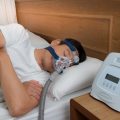
When people hear “sleep apnea treatment,” they often think of CPAP—the Continuous Positive Airway Pressure machine. CPAP is a fantastic, life-saving therapy. But for many, let’s be real, it can feel like a chore. The mask, the noise, the hose… it’s a lot.
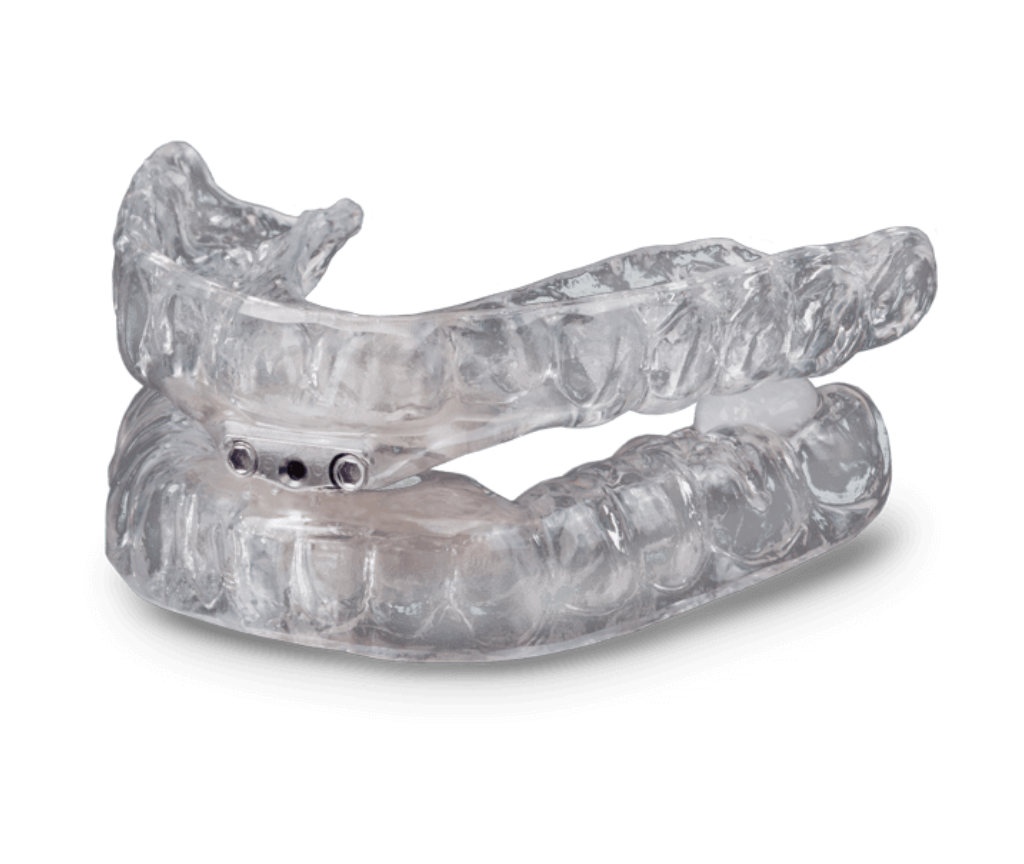
This is where oral appliance therapy comes in. It’s a game-changer for mild to moderate obstructive sleep apnea, and even for severe cases when CPAP isn’t an option. The device itself is a small, custom-made mouthpiece, similar to a sports guard or a retainer. Simple, right?
How Does This Little Device Work Such Magic?
It’s all about positioning. During sleep, the muscles in your throat and tongue relax. For some people, this relaxation causes the tongue and soft tissues to collapse backward, blocking the airway. It’s like a gentle landslide in a narrow tunnel.
An oral appliance for sleep apnea gently repositions your jaw, bringing it slightly forward. This simple movement pulls the base of the tongue and the soft palate forward with it, propping the airway open. It’s a mechanical solution to an anatomical problem. No pressure, no noise. Just clever engineering.
CPAP vs. Oral Appliance: Which One is Your Champion?
It’s not really a battle, but a question of fit. Both are effective, but they suit different people and lifestyles. Here’s a quick, honest breakdown.
| Feature | CPAP Machine | Oral Appliance |
| Mechanism | Uses air pressure to splint the airway open. | Repositions the jaw to physically open the airway. |
| Best For | All severity levels of sleep apnea. | Primarily mild to moderate OSA; severe cases where CPAP is intolerable. |
| Portability | Less portable; requires power. | Highly portable; ideal for travel. |
| Comfort & Noise | Can be intrusive; some noise from the machine. | Quiet and generally well-tolerated. |
| Maintenance | Regular cleaning of mask, hose, and humidifier. | Simple cleaning, like a retainer. |
The biggest advantage of an oral sleep appliance is often its simplicity. You just pop it in and go to sleep. For people who travel frequently, camp, or simply value a minimalist approach to their health, it can be the key to consistent treatment. And consistency is everything.
The Journey to Getting Your Oral Appliance
This isn’t an over-the-counter solution. Getting an effective and safe oral appliance is a carefully managed process. Here’s what you can typically expect.
- Diagnosis is Key: First, you need a proper sleep study. This is non-negotiable. A sleep physician must officially diagnose you with obstructive sleep apnea and determine its severity.
- The Dental Consultation: With prescription in hand, you visit a qualified sleep dentist. They will conduct a thorough examination of your teeth, jaw joint (TMJ), and airway. They’ll take impressions or digital scans of your mouth.
- Custom Fabrication: Those impressions are sent to a specialized dental lab where your personal appliance is crafted. This ensures a perfect, comfortable fit.
- Fitting and Adjustment: When your device is ready, you’ll go back to the dentist. They’ll fit it, show you how to use and care for it, and make any minor tweaks. It’s a bit like getting a finely tailored suit.
- Follow-Up Care: This is crucial. You’ll have follow-up appointments to check the fit, monitor your progress, and ensure it’s effectively treating your apnea. Sometimes a follow-up sleep study is done to confirm its success.
Is It Right for You? A Few Things to Consider
Well, oral appliance therapy isn’t a universal fix. It tends to work best for individuals with mild to moderate sleep apnea. It’s also a fantastic option for “CPAP refugees”—those who simply cannot tolerate their CPAP machine.
That said, you might not be an ideal candidate if you have severe temporomandibular joint (TMJ) disorder, limited jaw movement, or not enough healthy teeth to support the device. Your sleep dentist will help you navigate all this.
The potential side effects are usually minor—things like temporary jaw discomfort or tooth tenderness as you adjust. These often fade away. A good dentist will manage this titration process slowly to minimize any discomfort.
Beyond the Night: The Ripple Effect of Treatment
Treating sleep apnea with an oral appliance does more than just stop snoring. The benefits cascade through your entire life. We’re talking about:
- Sharper focus and improved memory.
- Stable mood and less irritability.
- Lower risk for serious health issues like high blood pressure, heart disease, and stroke.
- Genuine, sustained energy. The kind that doesn’t come from a coffee cup.
It’s not just about sleep; it’s about reclaiming your days.
So, if the hum of a machine or the feel of a mask has held you back from treating your sleep apnea, know this: there is another path. A quieter one. A simpler one. It’s a path paved with expert care and a small, powerful device that fits in the palm of your hand. Sometimes, the biggest solutions come in the smallest packages.