Living with an autoimmune condition can feel like a constant battle. Your own body, the one place you should feel safest, seems to be fighting against you. It’s exhausting, frustrating, and honestly, a little scary.
But here’s the thing: while diet isn’t a cure, it’s one of the most powerful tools you have to calm the storm inside. Think of your body as a garden. An autoimmune flare is like a swarm of weeds and pests running rampant. The right nutritional strategies are like tending that garden—pulling the weeds, nourishing the soil, and giving your plants the best chance to thrive. It’s not about a single magic seed, but about consistent, mindful cultivation.
The Foundational Principle: Taming the Fire Within
At its core, managing an autoimmune condition through diet is about two key things: reducing inflammation and healing the gut. They are deeply, inextricably linked. You can’t really have one without addressing the other.
Chronic inflammation is the hallmark of autoimmune disease. It’s that internal fire that causes pain, swelling, and fatigue. Meanwhile, a concept known as “leaky gut” (or increased intestinal permeability) is often a major player. When the lining of your gut becomes compromised, it can allow undigested food particles and toxins to pass into your bloodstream. Your immune system, already on high alert, sees these as foreign invaders and launches an attack. This, in turn, fuels more inflammation. It’s a vicious cycle.
Popular Dietary Frameworks for Autoimmunity
So, where do you even start? Well, several dietary approaches have gained traction for their effectiveness in managing autoimmune symptoms. They’re not one-size-fits-all, but they provide a fantastic starting point.
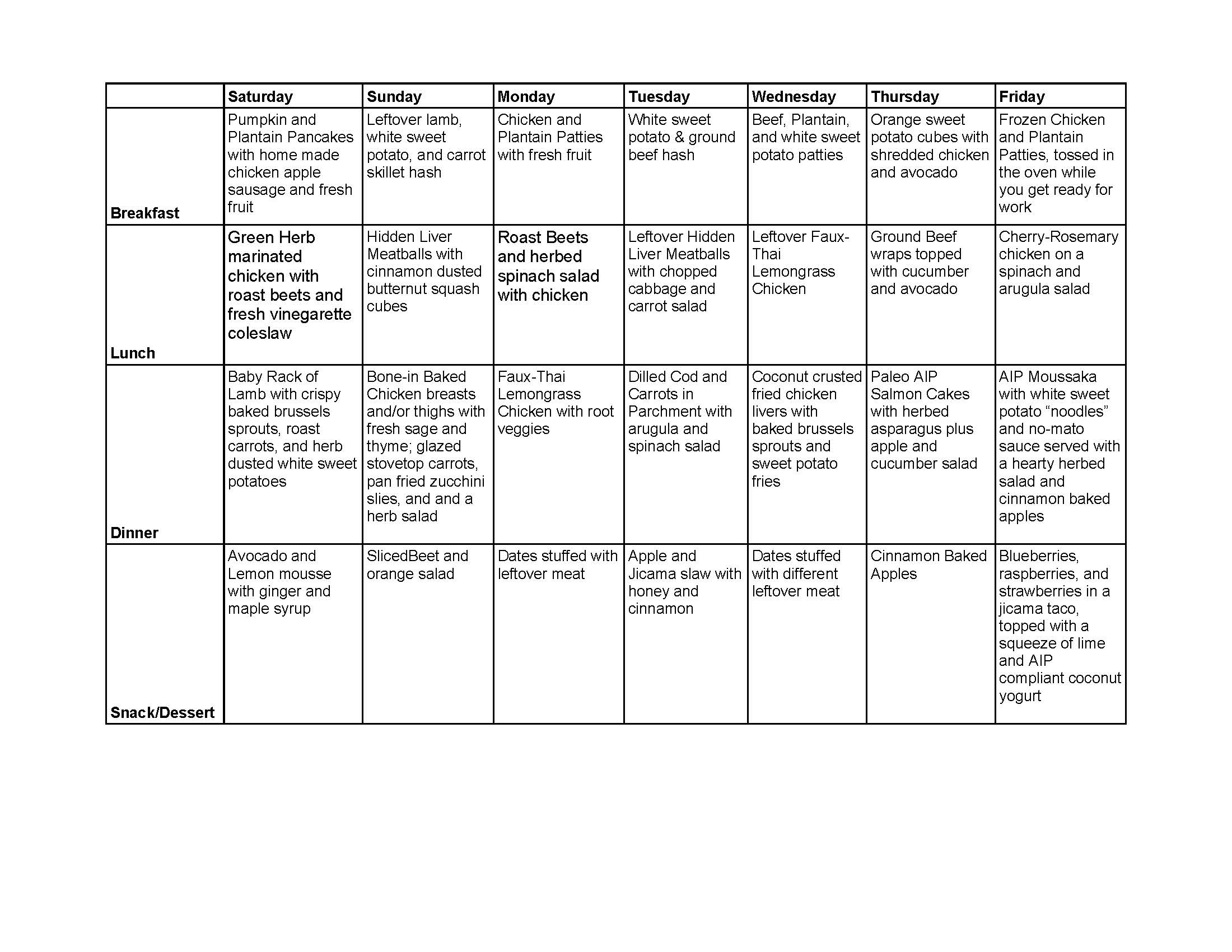
The Autoimmune Protocol (AIP)
The AIP is like an elimination diet on a mission. It begins with a strict elimination phase, removing foods known to irritate the gut and stimulate the immune system. We’re talking:
- Grains (even gluten-free ones)
- Legumes (beans, lentils, peanuts)
- Nightshades (tomatoes, peppers, potatoes, eggplant)
- Dairy
- Eggs
- Nuts and seeds
- Refined sugars and processed foods
- Certain gums and food additives
Sounds intense, right? It is, initially. But the goal isn’t deprivation forever. After a period of strict adherence and symptom improvement, you systematically reintroduce foods, one by one, to identify your unique triggers. It’s a detective game for your body.
The Mediterranean Diet (with an Autoimmune Twist)
If AIP feels too daunting, a modified Mediterranean diet is a stellar, more sustainable option for some. It’s inherently anti-inflammatory. The focus is on:
- Abundant vegetables and fruits
- Fatty fish rich in Omega-3s (like salmon and sardines)
- High-quality olive oil
- Lean poultry in moderation
The “autoimmune twist” means you might still choose to eliminate gluten and dairy, which are not central to the traditional Mediterranean way of eating anyway. This approach is less about strict rules and more about flooding your system with nutrient-dense, healing foods.
Key Nutrients to Focus On (And What to Limit)
Beyond specific diets, paying attention to individual nutrients can make a world of difference. It’s the micro-managing that supports the macro plan.
Your Nutritional All-Stars
| Nutrient | Why It’s Helpful | Food Sources |
| Omega-3 Fatty Acids | Powerfully anti-inflammatory; helps cool the immune response. | Wild-caught salmon, mackerel, sardines, walnuts (if tolerated), flaxseeds. |
| Vitamin D | Crucial for immune regulation; deficiency is common in autoimmune patients. | Sunlight (responsibly), fatty fish, egg yolks, fortified foods. Supplementation is often needed. |
| Gut-Supporting Fibers | Feeds beneficial gut bacteria, which produce short-chain fatty acids that calm inflammation. | Cooked and cooled starchy veggies (like sweet potatoes), leafy greens, asparagus. |
| Antioxidants | Combat oxidative stress, a key driver of inflammation. | A rainbow of berries, dark leafy greens, beets, carrots. |
What to Gently Nudge Off Your Plate
On the flip side, some foods are like throwing gasoline on that internal fire. The usual suspects include:
- Added Sugar and Refined Carbs: These spike blood sugar and promote inflammation almost instantly. They’re public enemy number one.
- Industrial Seed Oils: Oils like soybean, corn, and canola are high in pro-inflammatory Omega-6 fatty acids.
- Processed Foods: Packed with artificial ingredients, preservatives, and unhealthy fats that disrupt gut health.
- Gluten and Dairy: For many, these are common triggers due to their potential to irritate the gut lining and provoke an immune response. It’s not everyone, but it’s a lot of us.
Building a Sustainable, Nourishing Plate
Okay, theory is great. But what does this actually look like on a Tuesday? The key is to build a plate that prioritizes protein, healthy fats, and a ton of colorful vegetables.
Imagine your lunch plate. Fill half of it with non-starchy veggies—a big salad, roasted broccoli, sautéed kale. Then, add a palm-sized portion of a clean protein—maybe grilled chicken, a piece of fish, or if you’re on AIP, some organ meats are incredibly nutrient-dense. Finally, include a source of healthy fat—a generous drizzle of olive oil, half an avocado, or a scoop of olive tapenade.
This combination helps stabilize blood sugar, provides sustained energy, and supplies the raw materials your body needs to repair itself.
Listening to Your Body: The Ultimate Guide
Here’s the real secret, the one that no single diet plan can give you: you have to become a master at listening to your own body. A food that is a trigger for one person might be perfectly fine for you. A diet that works wonders for someone else might leave you feeling depleted.
Start a simple food and symptom journal. It doesn’t have to be fancy. Just note what you ate and how you felt a few hours later—and even the next day. Look for patterns. Do you feel bloated and achy after dairy? Does fatigue crash over you after a gluten-heavy meal? Your body is whispering its clues to you all the time. You just have to learn its language.
This journey with food and autoimmunity isn’t a straight line. It’s a winding path with good days and frustrating setbacks. But every mindful choice, every nourishing meal, is a step toward reclaiming a sense of agency. It’s a quiet, powerful act of saying, “I am tending my garden.” And sometimes, that makes all the difference.