
Let’s be honest. The freedom of being your own boss is intoxicating. No commute, no set hours, no one to answer to but yourself. But that freedom comes with a price—and one of the biggest is figuring out your health insurance. It’s the one thing that can make even the most confident freelancer feel a little lost.
You’re not just choosing a plan; you’re navigating a maze of acronyms, premiums, and deductibles without an HR department to hold your hand. It’s daunting. But here’s the deal: it’s not an impossible puzzle. With a bit of guidance, you can find a plan that protects both your health and your hard-earned income. Let’s break it down.
Your Health Insurance Toolkit: Understanding the Options
First things first, you need to know what’s actually available to you. Gone are the days of a single option from an employer. Your choices are broader, which is both a blessing and a curse.
The Health Insurance Marketplace (ACA Plans)
This is often the first stop for many freelancers. Created by the Affordable Care Act (ACA), these marketplaces offer a range of plans that meet certain minimum coverage standards. The huge benefit? Your income as a freelancer may qualify you for subsidies—essentially discounts on your monthly premium—that can make coverage surprisingly affordable.
Plans are categorized by metal tiers: Bronze, Silver, Gold, and Platinum. Think of it like this: Bronze plans have lower monthly premiums but higher out-of-pocket costs when you need care. They’re like a safety net with a big deductible. Platinum plans, on the other hand, have sky-high premiums but much lower costs when you actually see a doctor. Most freelancers, honestly, find a sweet spot in the Silver or Gold categories.
Health Sharing Plans: A Modern Alternative?
These have gained traction, especially among the self-employed. They’re not insurance in the traditional sense. Instead, they’re cooperatives where members share medical costs. The monthly fees (or “shares”) are often lower than insurance premiums.
But—and this is a big but—they often come with restrictions. Many are faith-based and may not cover certain procedures (like birth control or mental health services) that ACA plans must cover. They can also have annual or lifetime caps. They can be a good fit for some, but you must read the fine print. Thoroughly.
Professional Associations and Unions
Don’t overlook this! Many professional organizations for writers, designers, photographers, and other creatives offer group health insurance plans to their members. Because they leverage the buying power of a group, they can sometimes negotiate better rates than you’d find on your own. It’s worth the cost of membership just to access this benefit.
Crunching the Numbers: It’s More Than Just the Premium
Okay, so you’ve found a few plans. The monthly premium is the obvious cost, but it’s only the tip of the iceberg. To truly compare plans, you need to understand the whole financial picture.
| Term | What It Means | Why It Matters to You |
| Premium | The fixed amount you pay monthly for your plan. | This is your baseline, predictable cost. Lower is better, but it’s not the whole story. |
| Deductible | The amount you pay out-of-pocket for covered services before your insurance starts to pay. | A high deductible means more financial risk if you get sick or injured. Can you afford it? |
| Copay/Coinsurance | Your share of the costs for a covered service (a fixed fee or a percentage). | This kicks in after you meet your deductible. 20% coinsurance on a $10,000 surgery is $2,000. |
| Out-of-Pocket Maximum | The most you’ll have to pay for covered services in a plan year. | Your financial safety net. Once you hit this limit, the insurance pays 100%. |
For a freelancer with variable income, a plan with a slightly higher premium but a lower deductible and out-of-pocket max might be the wiser choice. It provides more predictability, shielding you from a massive, unexpected bill that could derail your business.
Timing is Everything: When Can You Actually Enroll?
You can’t just decide to get coverage on a random Tuesday. Well, you can, but it’ll be difficult. There are strict enrollment periods:
- Open Enrollment Period (OEP): This typically runs from November 1 to January 15 in most states. This is your main chance to sign up for an ACA plan for the following year.
- Special Enrollment Period (SEP): This is your get-out-of-jail-free card if you miss the OEP—but only if you have a qualifying life event. For freelancers, the most common trigger is losing other health coverage. So if you leave a job with benefits to go full-time freelance, that’s your ticket.
Mark the OEP on your calendar. Set a reminder. Do not ignore it. Letting your coverage lapse can lead to penalties and leave you dangerously exposed.
Pro Tips for the Freelance Life
Beyond the basics, a few strategies can make this whole process smoother.
1. Estimate Your Income Carefully
Those premium subsidies on the Marketplace are based on your projected annual income. Underestimate, and you might have to pay money back at tax time. Overestimate, and you’ll leave money on the table. Take your best, most honest guess based on your contracts and past earnings.
2. Consider a High-Deductible Health Plan (HDHP) with an HSA
If you’re generally healthy, this can be a powerful financial tool. An HDHP has lower premiums and a high deductible. But it qualifies you to open a Health Savings Account (HSA). Contributions are tax-deductible, growth is tax-free, and withdrawals for qualified medical expenses are tax-free. It’s a triple tax advantage and acts as a supplemental retirement savings account for freelancers.
3. Don’t Forget About Dental and Vision
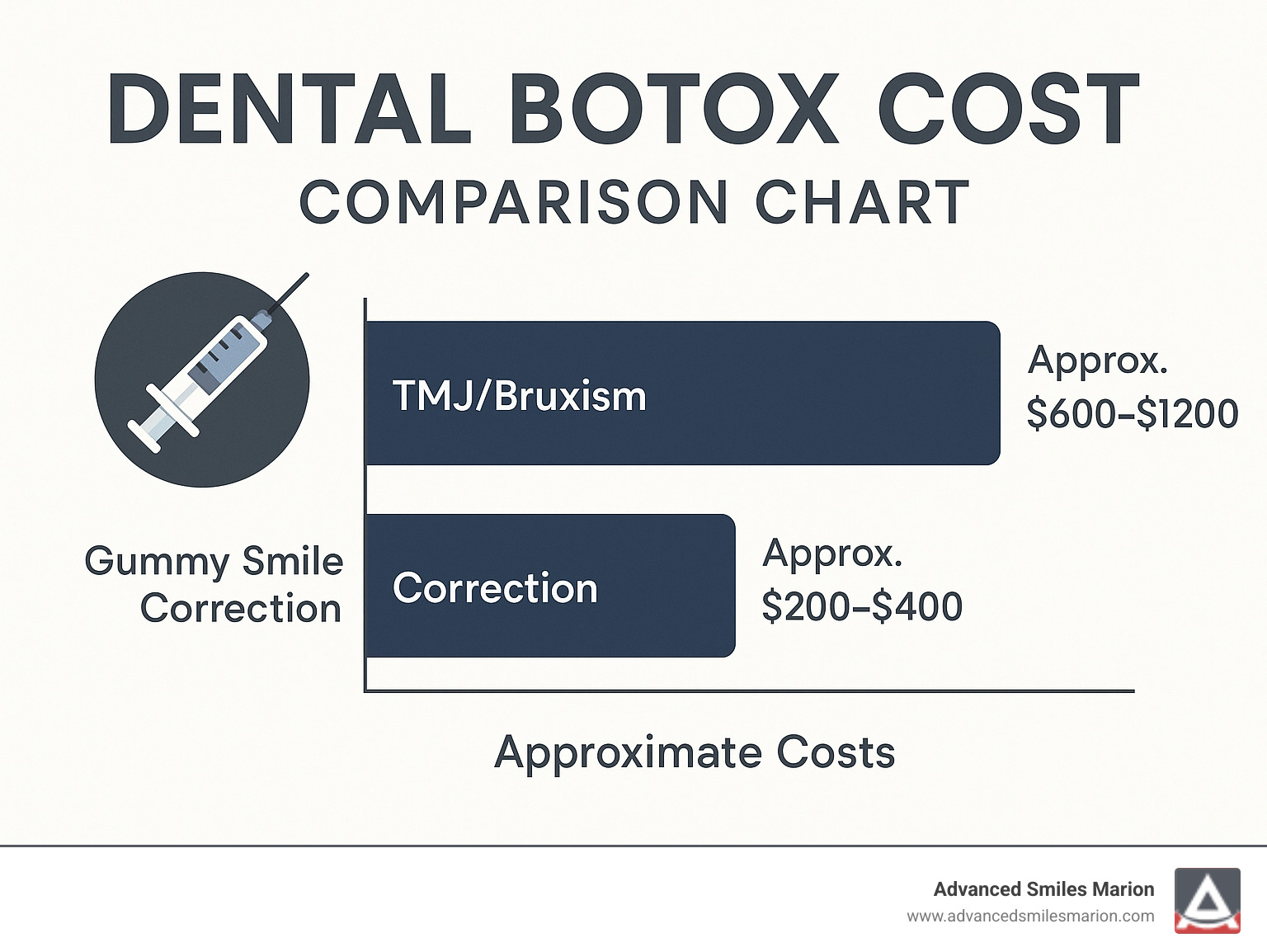
These are often separate from major medical plans. You can usually add them during enrollment or find standalone policies. A dental emergency can be just as financially devastating as a medical one, so consider your needs here, too.
The Bottom Line: Your Health is Your Business Asset
It’s easy to see health insurance as a frustrating, complex expense. A drain on your bottom line. But try to shift your perspective. For a freelancer, your health is your most critical business asset. You are the engine of your enterprise. Without your well-being, the work doesn’t get done, the clients don’t get served, and the income doesn’t flow.
Investing in a good health insurance plan isn’t just about covering doctor’s visits. It’s about investing in the stability and longevity of your entire operation. It’s the ultimate act of betting on yourself—protecting the freedom you worked so hard to build.