
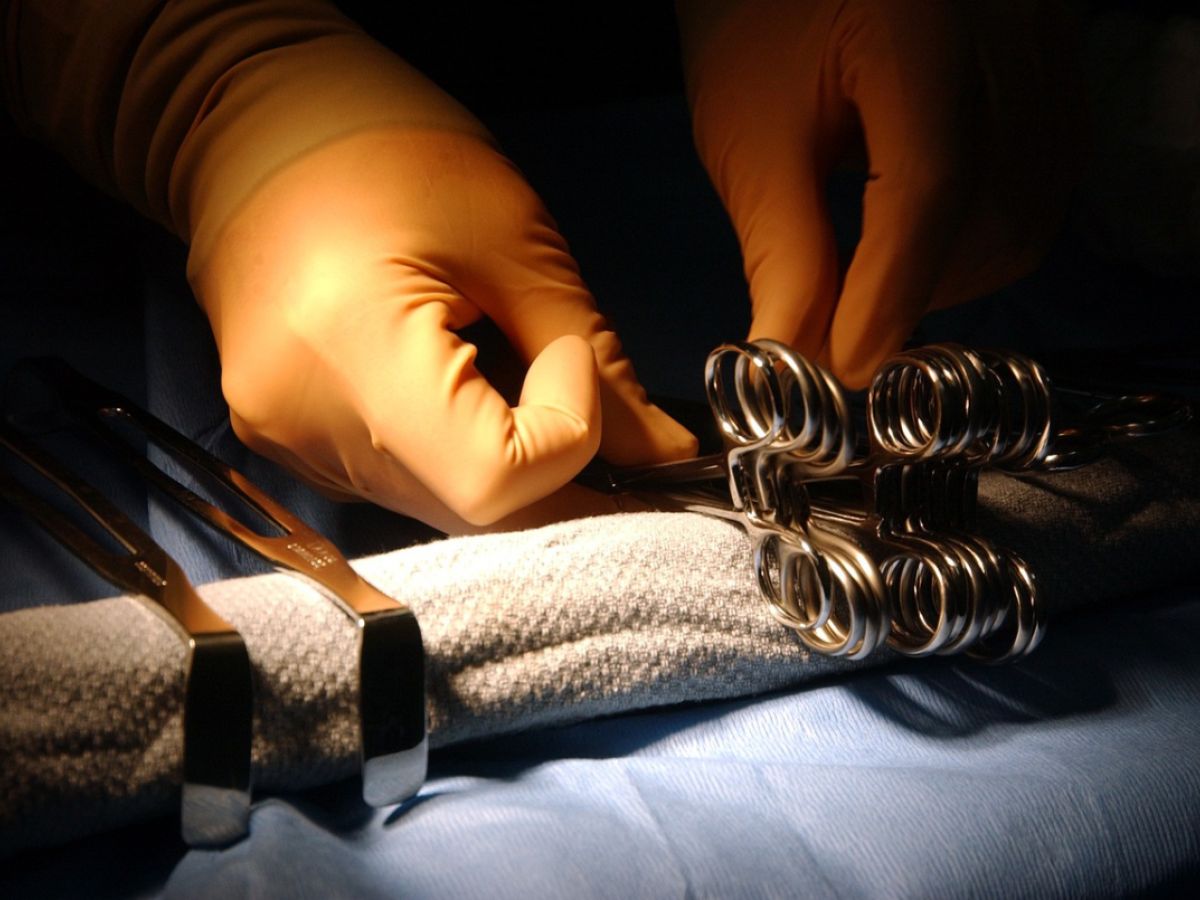
Let’s be honest. When you schedule an elective procedure—be it a knee replacement, a cosmetic surgery, or a LASIK correction—your focus is almost entirely on the physical outcome. You research the surgeon, the technique, the recovery timeline. You get your finances in order. You might even meal-prep for the week you’re laid up.
But what about your mind? Preparing your mental and emotional state is just as critical as preparing your body. It’s the difference between feeling like a passive patient and an active participant in your own healing journey. Frankly, it can even influence your recovery speed and your satisfaction with the results.
Why Your Brain Needs a Pre-Op Checklist
Think of your mind as the mission control for your body. If mission control is flooded with anxiety, fear, and unrealistic expectations, the whole operation is on shaky ground from the start. Mental preparation builds a foundation of resilience. It equips you with the tools to handle the inevitable bumps in the road—the post-op pain, the temporary limitations, the emotional rollercoaster.
It’s not about eliminating nerves. A healthy dose of pre-surgery anxiety is completely normal. It’s your body’s ancient way of saying, “Hey, pay attention, something big is happening.” The goal is to manage that anxiety so it doesn’t spiral into something that hinders your experience.
Building Your Mental Health Toolkit: A Step-by-Step Guide
1. Knowledge is Your First Dose of Calm
Fear of the unknown is a powerful thing. Demystify the process. Don’t just skim the brochure; have a real, sit-down conversation with your surgeon. Ask the “silly” questions. What will I feel when I wake up? What does the pain typically feel like—is it a sharp pain or a dull ache? How will I look and feel after one week? Three weeks?
Here’s a deal: write your questions down beforehand. It’s easy to get flustered in the moment and forget everything you wanted to ask.
- Ask about the anesthesia. Knowing what to expect when you go under and wake up can ease a huge source of anxiety for many.
- Request realistic “before and after” photos from your surgeon, not just the perfect ones from a marketing portfolio.
- Understand the real recovery timeline. Not the best-case scenario, but the average, messy, real-world process.
2. Mind Your Mindset: Reframing the Narrative
How you talk to yourself about this procedure matters. Are you saying, “I’m so scared of this surgery”? Or are you saying, “I’m choosing this procedure to improve my quality of life”? That subtle shift in language—from a passive victim to an active agent—is incredibly powerful.
Try a technique called mental rehearsal. Close your eyes and vividly imagine the day of the procedure. Picture yourself feeling calm and prepared. Imagine waking up in recovery, feeling the care of the nurses, and then visualize yourself progressing smoothly through each stage of healing. You’re essentially creating a positive mental map for your brain to follow.
3. Practical Prep for Your Psyche
Anxiety loves a vacuum. When you don’t have a plan, worry rushes in to fill the space. So, get practical. This is where you move from abstract concepts to concrete action.
- Arrange your support system. Who will drive you? Who can you text at 2 a.m. if you’re feeling overwhelmed? Don’t be a hero; line people up.
- Create a recovery sanctuary. Set up your bed or couch with chargers, books, water, remotes, and medications all within easy reach. A calm environment reduces stress.
- Practice stress-reduction techniques now. Don’t wait until the morning of surgery to try deep breathing for the first time. Apps for guided meditation or simple box breathing (inhale for 4, hold for 4, exhale for 4) can be lifesavers.
Navigating the Emotional Rollercoaster of Recovery
Okay, let’s talk about something nobody really warns you about: the post-op blues. You’ve gone through with it, you’re on the other side, and yet… you feel down. Maybe even regretful. This is surprisingly common. Your body has been through a trauma, anesthesia is leaving your system, and you’re confronted with the temporary reality of being less independent than you’re used to.
Be prepared for this. Know that it’s a normal part of the process for many people. It’s a wave; it will pass. The key is to not attach too much meaning to it. It doesn’t mean you made the wrong decision. It just means you’re human, and you’re healing.
| Common Post-Op Emotion | Why It Happens | Healthy Response |
| Irritability & Frustration | Pain, medication side effects, loss of control. | Remind yourself it’s temporary. Use calming techniques. Communicate gently with caregivers. |
| Sadness or “The Blues” | Anesthesia aftermath, physical stress, disrupted routine. | Allow yourself to feel it without judgment. Small comforts (favorite movie, gentle music) help. |
| Anxiety About Results | Early results often look nothing like the final outcome. | Trust the timeline your doctor provided. Avoid constant mirror-checking. |
When to Seek Professional Support
While some emotional turbulence is normal, there’s a line. If your anxiety before the procedure is so intense it’s causing panic attacks or making you consider cancelling for non-medical reasons, talk to someone. Seriously. Many clinics have resources or can refer you to a therapist who specializes in medical procedural anxiety.
Likewise, if after the procedure, feelings of deep sadness, hopelessness, or anxiety persist for more than a couple of weeks and start to interfere with your basic recovery tasks, it’s crucial to reach out to your doctor or a mental health professional. There is zero shame in it. It’s a sign of strength to acknowledge you need a little extra support.
Honestly, integrating mental health into your surgical plan should be standard practice. It’s not an extra; it’s part of the process. You are a whole person—mind, body, and spirit—entering that operating room. Preparing all parts of yourself is the wisest investment you can make in your own well-being. And the peace of mind you cultivate beforehand? Well, that’s something you get to take home with you, long after the physical scars have faded.