Imagine a surgeon with superhuman precision—steady hands that never tremble, eyes that see in 3D magnification, and the ability to maneuver through tight spaces with ease. That’s robotic surgery in a nutshell. It’s not science fiction anymore; it’s happening in operating rooms worldwide, reshaping how we think about invasive procedures.
What Exactly is Robotic Surgery?
Let’s clear up a common misconception: robots aren’t performing surgeries autonomously (yet). Instead, robotic surgery refers to surgeon-controlled systems that enhance precision, flexibility, and control. Think of it like a high-tech extension of a surgeon’s hands—just way more precise.
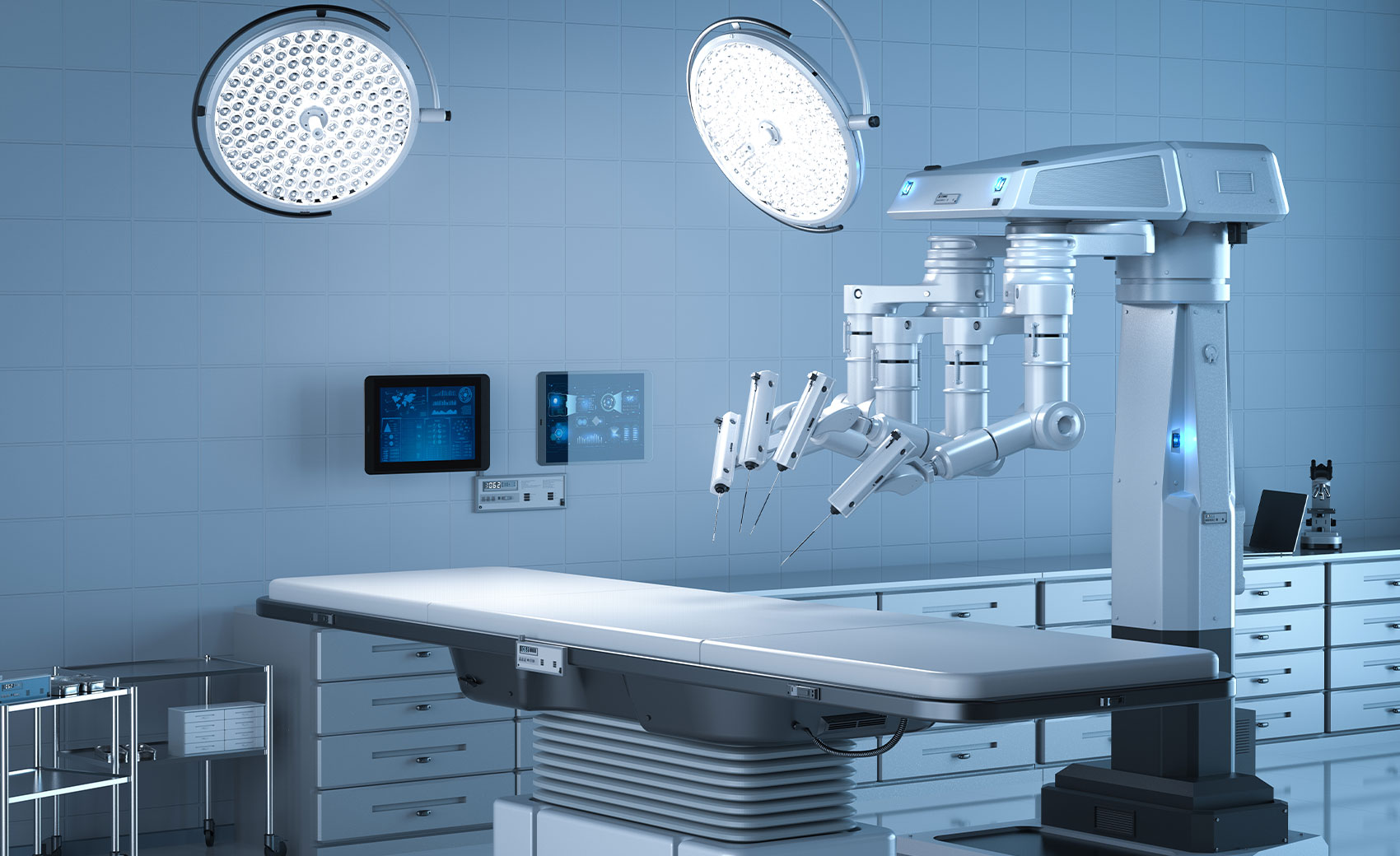
The most widely used system? The da Vinci Surgical System, which looks like something out of a sci-fi movie with its multiple robotic arms and console. Surgeons operate it using hand and foot controls while peering into a 3D high-definition screen.
Why Robotic Surgery? The Big Benefits
Here’s the deal—robotic surgery isn’t just flashy tech. It solves real problems in the OR:
- Smaller incisions: Robotic tools can work through tiny openings, reducing scarring and recovery time.
- Enhanced precision: The system filters out hand tremors and allows for micro-movements human hands can’t replicate.
- Better visualization: 3D imaging gives surgeons a crystal-clear view of the surgical site.
- Less blood loss: Precision means fewer complications and reduced need for transfusions.
Honestly, the difference in recovery times alone is staggering. Patients who’d normally spend weeks recuperating are often back on their feet in days.
Where Robotic Surgery Shines (And Where It Doesn’t)
Robotic systems excel in procedures requiring intricate movements—think prostatectomies, hysterectomies, or delicate heart surgeries. But they’re not a one-size-fits-all solution. For simpler procedures? Traditional methods might still be faster and more cost-effective.
Common Robotic-Assisted Surgeries
- Prostate removal (radical prostatectomy)
- Gynecologic surgeries (hysterectomy, fibroid removal)
- Gallbladder surgery
- Certain cardiac procedures
- Head and neck surgeries
That said, the list keeps growing as technology advances. Researchers are even exploring robotic microsurgery for nerve repair—something that was nearly impossible a decade ago.
The Human Side of Robotic Surgery
Here’s where things get interesting. You’d think automation would distance surgeons from patients, but many report feeling more connected to the procedure. The enhanced visualization creates an almost immersive experience—like the difference between watching TV and being in an IMAX theater.
Still, there’s a learning curve. Mastering robotic systems takes time, and not every surgeon adapts equally. It’s like switching from driving a sedan to piloting a spaceship—the fundamentals are similar, but the controls? Whole new ballgame.
Challenges and Limitations
No technology is perfect, and robotic surgery has its hurdles:
- Cost: These systems are expensive—millions for the equipment alone.
- Training: Surgeons need specialized certification, which isn’t quick or cheap.
- Tactile feedback: Some systems lack haptic feedback, meaning surgeons can’t “feel” tissue resistance.
- Operating time: Robotic procedures can take longer, at least initially.
And then there’s the elephant in the room—accessibility. Rural hospitals often can’t afford these systems, creating disparities in care.
The Future: What’s Next for Robotic Surgery?
We’re on the brink of some wild advancements. Artificial intelligence is starting to play a role—think real-time analytics during surgery or even semi-autonomous suturing. Then there’s nanorobotics, where microscopic bots could perform procedures at a cellular level.
Remote surgery is another frontier. Imagine a surgeon in New York operating on a patient in Nairobi via robotic systems. The tech exists; it’s just waiting on infrastructure and regulatory green lights.
One thing’s certain—the OR of 2030 will look nothing like today’s. And honestly? That’s exciting.