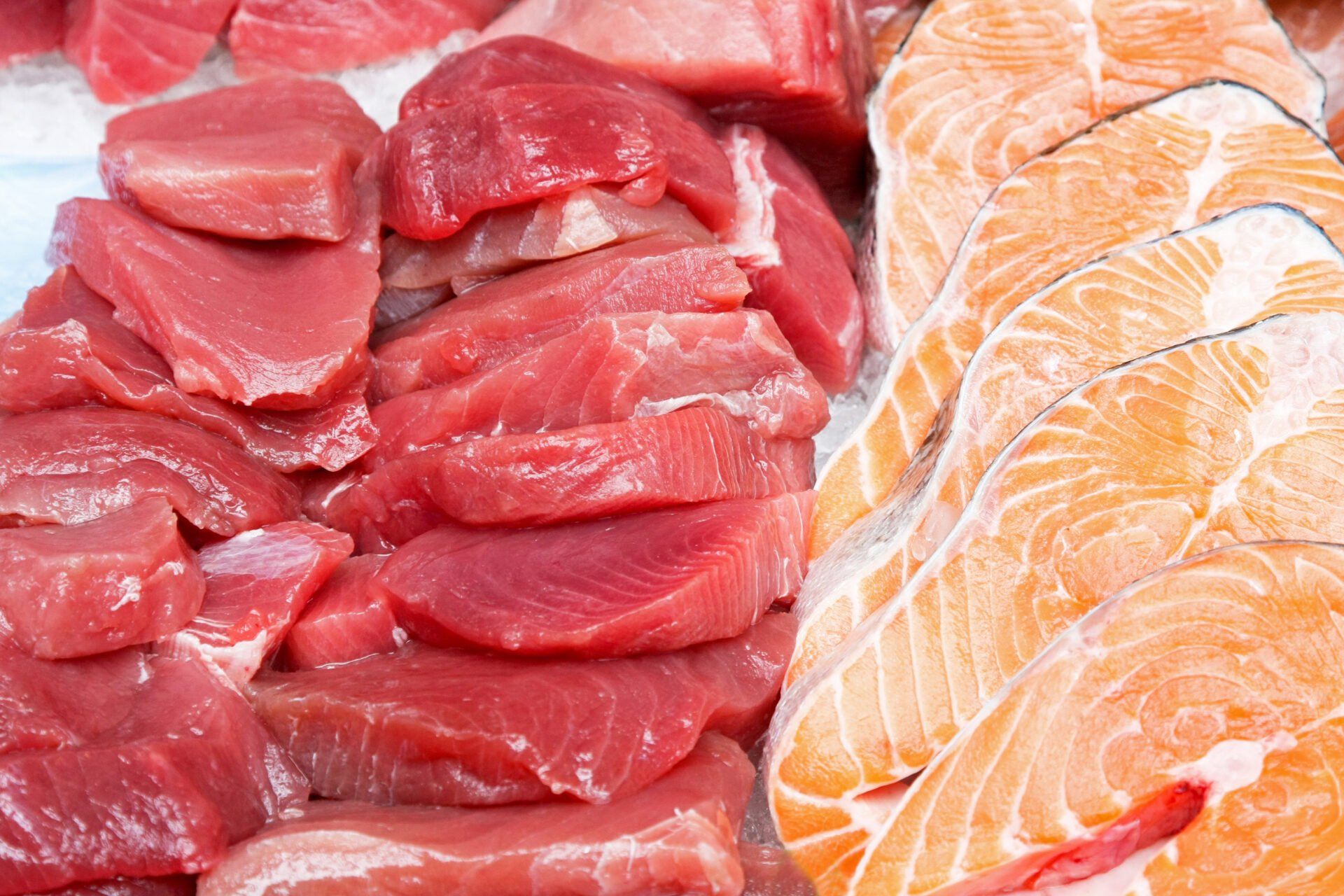
Let’s be honest. When we think “healthy seafood,” our minds jump straight to that salmon fillet or tuna steak. They’re the celebrities of the sea, the reliable go-tos on every menu. But here’s the deal: our love affair with just a few species is putting immense pressure on the ocean. It’s like only ever eating chicken and beef, ignoring the entire world of pork, lamb, and, well, everything else.
Sustainable seafood is about diversity. It’s about looking past the usual suspects to discover delicious, nutritious, and ocean-friendly options. This isn’t about deprivation—it’s about exploration. And honestly, it’s a lot more fun.
Why Sticking to the “Big Two” is a Problem
Salmon and tuna are fantastic, sure. But their popularity comes at a cost. Many salmon farms struggle with pollution and disease, while some tuna populations are heavily overfished. By casting our nets so narrowly, we miss out on a world of flavor and we create a lopsided demand that ecosystems struggle to support.
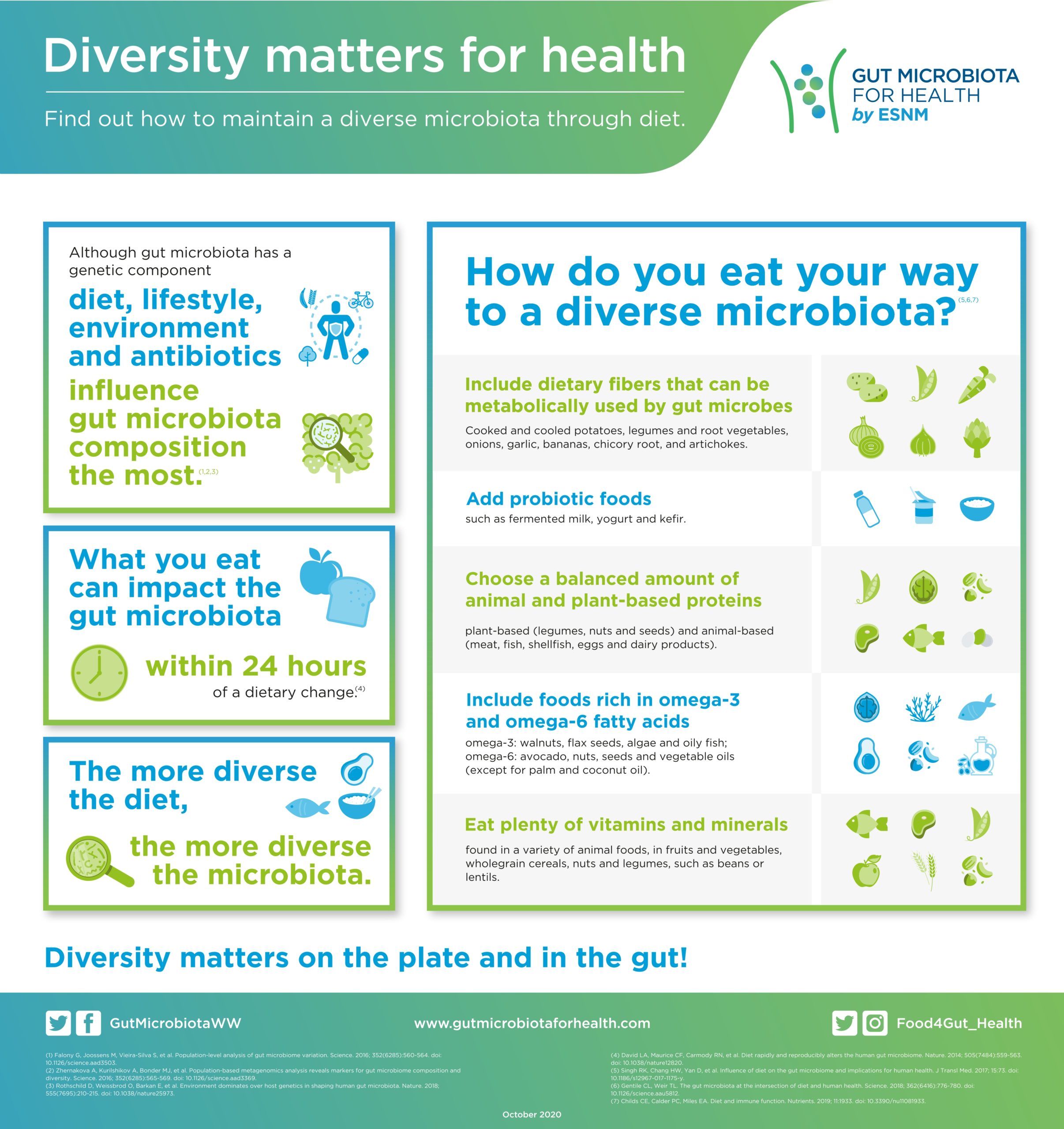
Think of it as a financial portfolio. You wouldn’t put all your money in just two stocks, right? Diversification spreads risk. The same principle applies to our plates. Eating a wider variety of seafood reduces pressure on specific species and supports a more resilient marine environment. It’s a simple shift with a powerful impact.
Meet Your New Favorite Fish (You Just Didn’t Know It Yet)
Ready to expand your underwater horizons? These under-the-radar stars are often more affordable, equally nutritious, and packed with flavor. They’re the key to a truly sustainable seafood diet.
Bivalves: The Ocean’s Vacuum Cleaners
Mussels, clams, oysters, and scallops. Honestly, these might be the most sustainable choice you can make. Why? They don’t need to be fed fishmeal—they filter feed on microscopic plants in the water, actually cleaning the ocean as they grow. They’re low on the food chain, fast-growing, and their farming has minimal habitat impact.
Quick tip: Mussels are insanely easy to cook. Steam them with white wine, garlic, and herbs for a restaurant-worthy meal in minutes.
Small, Oily Fish: The Nutrient Powerhouses
We’re talking about sardines, mackerel (not King, which is overfished, but Atlantic or Pacific), and anchovies. These fish reproduce quickly, are packed with omega-3s and calcium (especially when you eat the bones in sardines!), and are often caught with low-impact methods.
They have a bold, briny flavor that stands up to strong ingredients. Grill a mackerel fillet with a hit of vinegar, toss sardines on toast with mustard, or use anchovies to create a deep, savory base for pasta sauces. They’re a flavor bomb waiting to happen.
Whitefish Alternatives: The Mild-Mannered Swaps
If you love a flaky, mild white fish like cod or halibut—both of which have sustainability concerns—consider these swaps. Look for Pacific Rockfish, Alaskan Pollock (yes, it’s in fish sticks, but it’s a well-managed fishery), or Barramundi (often sustainably farmed in closed systems).
They have similar textures and will work in all your favorite recipes, from fish tacos to baked fillets. It’s an easy, one-for-one substitution that makes a difference.
How to Actually Make the Switch (Without the Stress)
Knowing is one thing. Doing is another. Here’s a simple, no-fuss guide to integrating more sustainable seafood choices into your routine.
- Ask the question: At the fish counter or restaurant, just ask, “What’s local and sustainable today?” It signals demand and often introduces you to the freshest option.
- Use a guide, but don’t be paralyzed: Apps like the Seafood Watch from the Monterey Bay Aquarium are fantastic. But instead of memorizing lists, use them to get a general sense. Look for “Best Choice” or “Good Alternative” labels.
- Embrace frozen: Flash-frozen seafood is often fresher than “fresh” fish that’s been traveling for days. It’s also more affordable and reduces waste, letting you explore at your own pace.
- Think “Ugly” is Beautiful: Species like Acadian Redfish or Skate Wing might look unusual but taste incredible. Chefs love them for a reason.
A Quick-Reference Table for Your Next Trip
| Try This Instead Of… | Consider This Sustainable Swap | Flavor & Texture Profile |
| Atlantic Salmon (farmed) | Farmed Mussels or Clams | Briny, sweet, tender. Steam or sauté. |
| Tuna Steak (Bluefin, Bigeye) | Atlantic Mackerel | Rich, fatty, bold. Perfect for grilling. |
| Cod (Atlantic) | Pacific Rockfish or Hake | Mild, flaky, lean. Great for baking & frying. |
| Shrimp (imported, farmed) | US-farmed Shrimp or Spot Prawns | Sweet, firm. Check for domestic sourcing. |
The Ripple Effect of Your Choice
Every time you choose a diverse, sustainable option, you’re casting a vote. You’re supporting fishing communities that use better methods. You’re encouraging grocery stores and restaurants to broaden their offerings. And you’re giving overfished populations a chance to recover.
It starts with one meal. Maybe it’s a tin of sardines on crackers. Or a pot of steamed mussels. The journey beyond salmon and tuna isn’t a restrictive diet—it’s an invitation to a richer, more flavorful relationship with the ocean. The water’s fine, and the menu, it turns out, is vast.