
Let’s be honest—living with an autoimmune condition can feel like your body’s stuck in a never-ending battle with itself. But here’s the deal: what you eat might just be the secret weapon you’ve been missing. While diet won’t cure autoimmune diseases, it can dial down inflammation, ease symptoms, and—honestly—give you back some control.
How Food Talks to Your Immune System
Think of your gut like a bouncer at a club. It decides who gets in (nutrients) and who’s turned away (harmful stuff). When you’ve got an autoimmune condition, that bouncer’s overwhelmed—letting troublemakers slip through. That’s where food comes in. Certain foods can calm the chaos, while others… well, they’re basically pouring gasoline on the fire.
The Inflammation Connection
Chronic inflammation’s the root of most autoimmune misery. Foods high in sugar, processed oils, or artificial additives? They’re like throwing a party for inflammation. On the flip side, anti-inflammatory foods act like a chill playlist—soothing the system.
Top Nutritional Strategies for Autoimmune Management
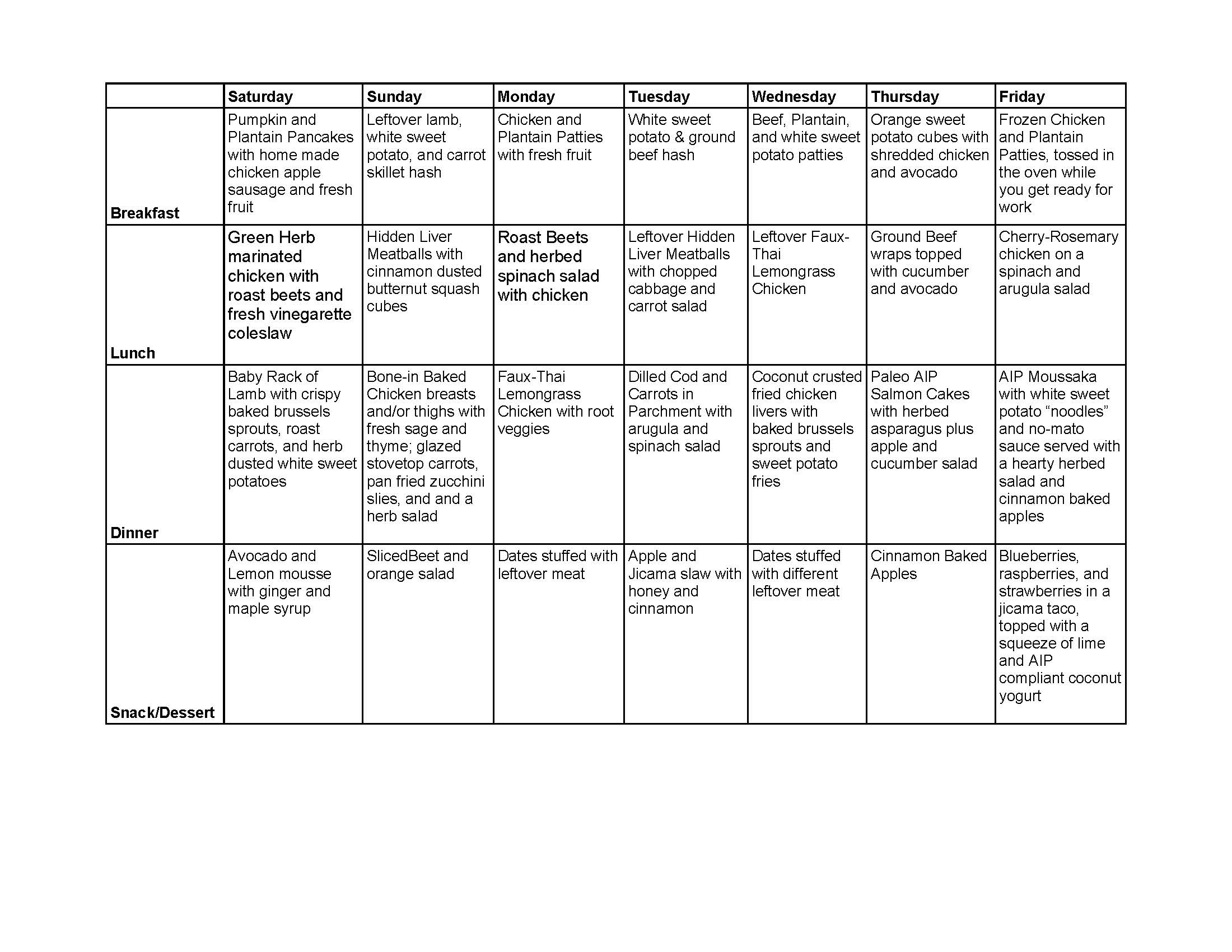
1. The Autoimmune Protocol (AIP) Diet
This isn’t your average elimination diet. AIP goes hardcore—cutting out common triggers like:
- Grains (yes, even gluten-free ones)
- Dairy
- Legumes
- Nightshades (tomatoes, peppers, eggplants)
- Processed sugars
After a few weeks, you slowly reintroduce foods. It’s tedious, sure, but it helps pinpoint what’s actually messing with your system.
2. Load Up on Omega-3s
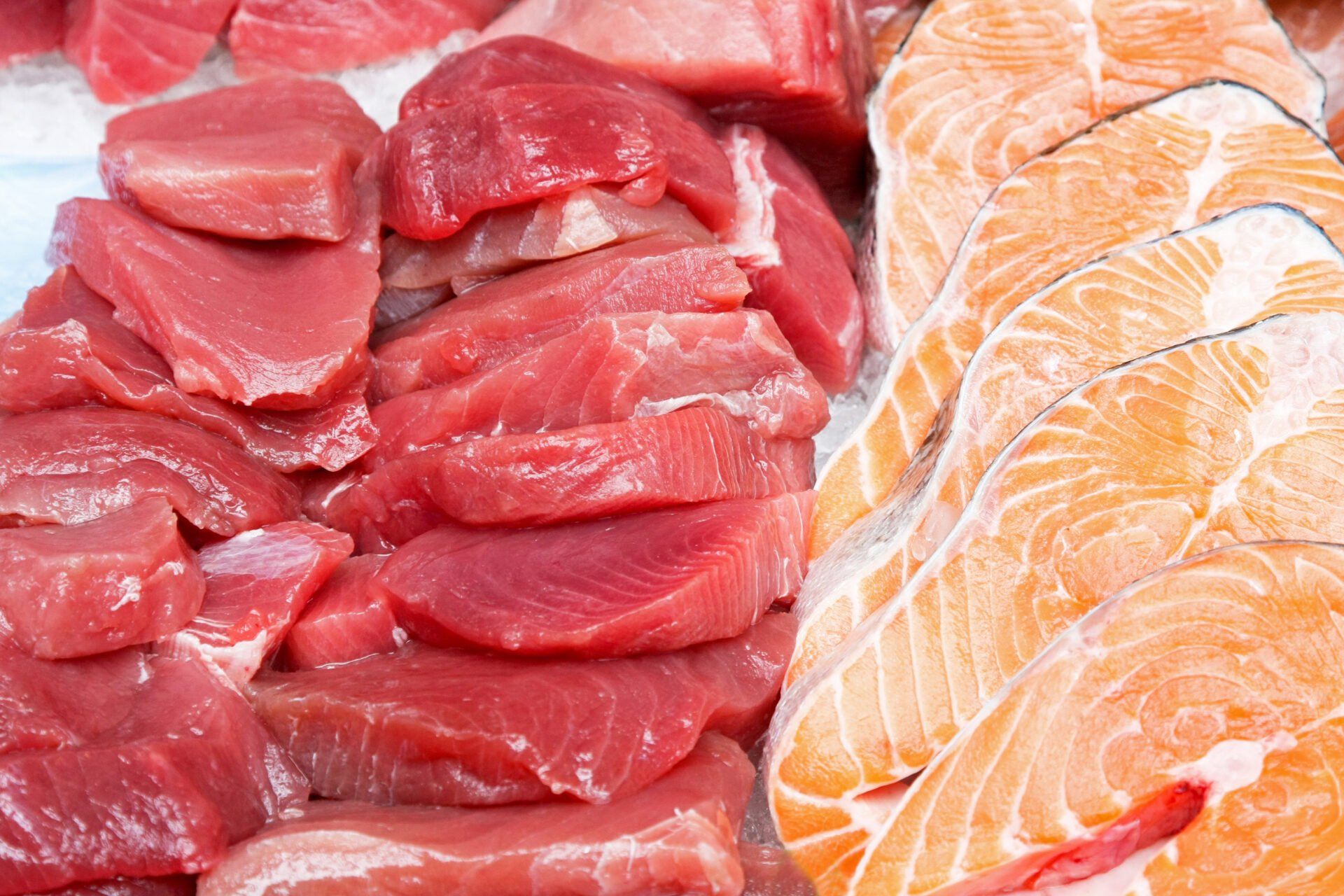
Fatty fish (salmon, mackerel), flaxseeds, and walnuts are like peacekeepers for your immune system. They help balance those inflammatory omega-6 fats lurking in processed foods.
3. Fermented Foods for Gut Health
Sauerkraut, kimchi, kefir—these aren’t just trendy. They’re packed with probiotics that strengthen your gut lining. A happy gut means fewer immune system freak-outs.
4. Colorful Plants = Antioxidant Power
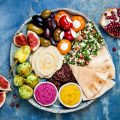
Dark leafy greens, berries, beets—they’re nature’s anti-inflammatory meds. The deeper the color, the more antioxidants they pack. Aim for a rainbow on your plate.
Foods to Avoid (Like the Plague)
Some foods are basically autoimmune arsonists. Here’s the usual suspects:
| Food Group | Why It’s Trouble |
| Processed sugars | Spikes blood sugar and fuels inflammation |
| Industrial seed oils | High in pro-inflammatory omega-6s |
| Gluten | Triggers leaky gut in many autoimmune cases |
| Dairy (for some) | Casein protein can mimic gluten’s effects |
Supplements That Might Help
Sometimes food isn’t enough. These supplements often pop up in autoimmune research:
- Vitamin D – Low levels are linked to autoimmune flares. Sunlight’s great, but many need extra.
- Turmeric/Curcumin – Nature’s inflammation fighter. Works best with black pepper for absorption.
- Probiotics – Specific strains like L. rhamnosus may calm immune responses.
Real-Life Tweaks That Actually Stick
Look, nobody expects you to overhaul your diet overnight. Try these small wins first:
- Swap soda for sparkling water with lemon
- Trade vegetable oil for olive or avocado oil
- Batch-cook soups/stews so you’ve got easy anti-inflammatory meals
Progress over perfection, always.
The Mind-Gut Loop
Ever notice how stress flares your symptoms? There’s a reason. Your gut and brain chat constantly via the vagus nerve. So while diet’s huge, don’t ignore sleep, stress, and movement. They’re all part of the puzzle.
At the end of the day, managing autoimmune conditions through diet isn’t about restriction—it’s about rediscovering foods that make your body hum instead of revolt. And that’s worth savoring.