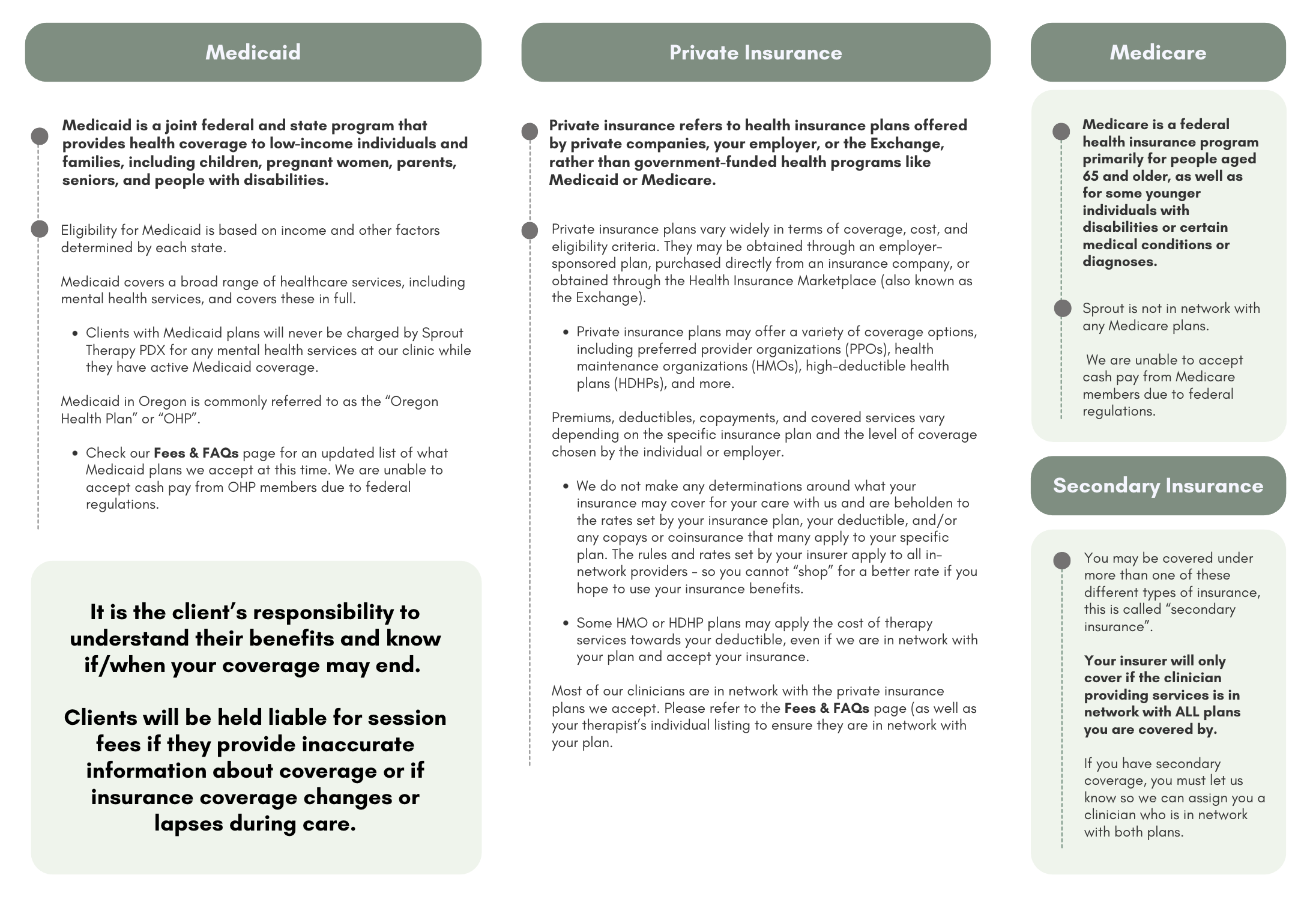
Let’s be honest. Navigating insurance for mental health care can feel like trying to solve a puzzle in the dark. You know you need support—therapy, counseling, maybe psychiatric care—but the fine print on coverage is, well, daunting. Here’s the deal: there’s a federal law designed to be your flashlight in that darkness. It’s called mental health parity. And understanding it is your first, crucial step toward accessing the care you deserve without facing unfair financial barriers.
So, What Exactly Is Mental Health Parity?
In simple terms, parity means equality. The Mental Health Parity and Addiction Equity Act (MHPAEA) of 2008 says, quite plainly, that insurance plans cannot impose stricter limitations on mental health and substance use benefits than they do on medical/surgical benefits. Think of it this way: if your plan covers 20 physical therapy sessions for a back injury with a modest co-pay, it can’t then turn around and limit you to 5 therapy sessions for anxiety while charging a huge coinsurance. The rules of the game have to be roughly the same.
That said… the law isn’t perfect. It doesn’t force all plans to offer mental health coverage. But if they do offer it, the coverage must be on par with physical health coverage. This applies to things like:
- Financial requirements: Deductibles, co-pays, coinsurance, and out-of-pocket maximums.
- Treatment limitations: Number of visits, days of coverage, or frequency of treatment.
- Care management: Rules around needing pre-authorization or using in-network providers.
The Gap Between Law and Reality: Common Pain Points
On paper, parity sounds like a slam dunk. In practice? Well, there are cracks in the system. Many folks still hit frustrating roadblocks. A big one is the provider network adequacy problem. Sure, your plan lists therapists “in-network,” but how many are actually accepting new patients? Often, the list is outdated or the wait times are months long. This effectively creates a huge barrier to access, even if the financial terms are technically equal.
Another sneaky hurdle is utilization management. This is the insurance company’s process for deciding if a treatment is “medically necessary.” They might require your therapist to submit detailed treatment plans for approval every few sessions—a burden rarely placed on your primary care doctor managing a chronic condition like diabetes. It’s a subtle way of creating a separate, and more difficult, path for mental health care.
How to Be Your Own Best Advocate
Knowing your rights is half the battle. If you’re running into issues getting therapy covered, you can push back. Here’s a practical, step-by-step approach.
- Know Your Plan Details. Dig out your Summary of Benefits and Coverage (SBC). Look for the sections on outpatient mental/behavioral health and outpatient medical care. Compare the numbers side-by-side.
- Document Everything. Keep a log of calls: who you spoke to, when, and what they said. Save denial letters and requests for more information.
- Ask the Right Questions. If denied, ask for the specific reason in writing. Politely ask: “Can you show me where in my plan documents this same limitation is applied to medical/surgical benefits?” This is the core parity question.
- File an Appeal. You have the right to an internal and, if that fails, an external appeal. Use your documentation to argue that the denial violates parity principles.
Decoding Your Insurance Benefits for Therapy
Let’s break down the typical terms you’ll see. It’s a bit of alphabet soup, but hang in there.
| Term | What It Means | Parity Check |
| Deductible | The amount you pay out-of-pocket before insurance starts to chip in. | Is your mental health deductible separate from (or higher than) your medical deductible? That’s likely a parity violation. |
| Co-pay | A fixed fee (e.g., $30) you pay per therapy session. | Compare it to your co-pay for a doctor’s office visit. They should be comparable. |
| Coinsurance | A percentage of the session cost (e.g., 20%) you pay after meeting your deductible. | Again, this percentage should mirror what you’d pay for a medical specialist visit. |
| Out-of-Pocket Max | The absolute most you’ll pay in a year. After this, insurance covers 100%. | There should be one single maximum for all covered health services, not a separate one for mental health. |
Honestly, the most common parity violations today aren’t these blunt numbers. They’re in the more nuanced areas—like those pre-authorization hurdles or inadequate networks we talked about. The vibe is often “technically covered, practically inaccessible.”
Looking Ahead: The Evolving Landscape of Coverage
The conversation is shifting, thankfully. The rise of telehealth, especially post-pandemic, has blown open access to therapy for many. Most plans now cover virtual sessions, which helps with the network problem. And there’s growing pressure on regulators to enforce parity laws more strictly and close those loopholes around provider networks and medical necessity reviews.
Employers, too, are increasingly seeing robust mental health benefits as a necessity, not a perk. They’re demanding better from the insurance carriers they contract with. This top-down pressure might just be the thing that finally turns the promise of parity into a consistent, lived reality.
A Final, Quiet Thought
Seeking help for your mental health is an act of courage. It’s profoundly frustrating when that courage meets a wall of bureaucratic complexity. But that wall isn’t solid. It has cracks, and it has rules governing its construction. Parity law is one of those rules. Knowing it, understanding its spirit—that mental health is health, full stop—gives you a tool. Not just to advocate for yourself, but to slowly, collectively, change the system for everyone. The goal isn’t just to get a claim approved. It’s to make the process of getting care reflect the fundamental truth we all know: your mind is worth investing in, just like the rest of you.