Let’s be honest. Our modern food system is, well, a bit of a mess. Ultra-processed meals, shelf-stable snacks loaded with preservatives you can’t pronounce, and a constant race against expiration dates. It’s convenient, sure. But our guts are staging a quiet rebellion.
Here’s the deal: maybe the answer to our modern nutritional woes isn’t found in the next superfood powder or probiotic capsule. Maybe it’s been sitting in our ancestral pantry all along. I’m talking about ancient food preservation techniques—fermentation, drying, curing, and more. These weren’t just about survival; they were unintentional acts of nutritional alchemy, creating foods teeming with life and vitality. And honestly, our bodies are still wired for them.
Why Old-School Methods Are New-Age Gut Gold
Think of your gut microbiome as a bustling, diverse city. The standard modern diet? It’s like sending in fast-food chains and concrete. Ancient preservation methods, on the other hand, send in gardeners, artists, and builders. They don’t just prevent spoilage; they transform the food, often boosting its nutritional profile and populating it with beneficial bacteria.
The core benefit is bioavailability. These processes pre-digest foods, breaking down anti-nutrients and making vitamins and minerals easier for your body to absorb. It’s like getting an upgrade on the nutritional value without eating more.
Key Techniques and Their Modern Gut Health Perks
Let’s dive into a few specific methods. This isn’t just history—it’s a practical guide.
1. Lacto-Fermentation: The Probiotic Powerhouse
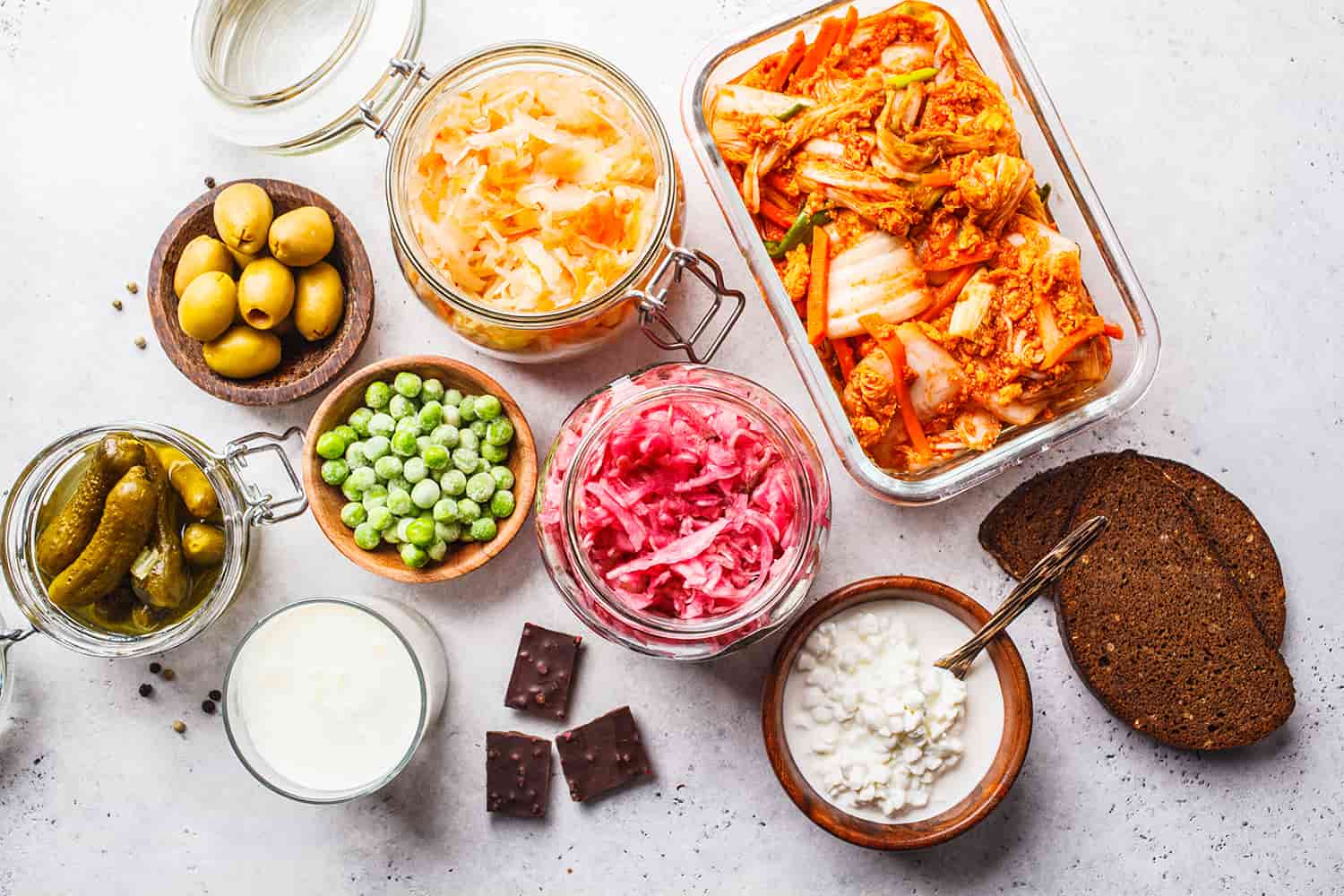
This is the rockstar of the bunch. Submerging veggies in a saltwater brine (think sauerkraut, kimchi, traditional pickles) encourages lactic acid bacteria to thrive. These microbes preserve the food and, when you eat it, become transient residents in your gut.
- Modern Benefit: A direct source of diverse, live probiotics. These can help crowd out bad bacteria, reduce inflammation, and even influence mood via the gut-brain axis. Store-bought versions are often pasteurized, which kills the good stuff, so seeking out raw, refrigerated brands or DIY is key.
2. Drying & Dehydrating: Nutrient Concentration
Sun-drying fruits, meats (like biltong), and herbs removes water, which microbes need to grow. Simple. But something fascinating happens—the flavors intensify, and the nutrients become, well, more concentrated.
Modern Benefit: You get a shelf-stable, fiber-rich snack without added sugars or oils. Fiber is the preferred food for your good gut bacteria (their “prebiotic” meal). A handful of dried apricots or some homemade kale chips feeds your microbiome in a way a vitamin pill just can’t match.
3. Curing & Salting: The Umami and Enzyme Boost
Used for centuries on meats and fish (think prosciutto, gravlax), curing with salt, sometimes sugar and spices, draws out moisture and creates an environment hostile to pathogens. The slow process also allows enzymes to break down proteins into amino acids, deepening flavor.
Modern Benefit: It creates deeply savory, satisfying flavors that can reduce the need for salty, processed seasonings. And those broken-down proteins can be easier to digest. The caveat? Moderation is key due to sodium content, but a little high-quality cured food can be a flavorful gateway to eating more whole foods.
How to Weave These Techniques Into a 21st-Century Kitchen
This doesn’t mean you need a root cellar or a smokehouse. Start small. It’s about integration, not overhaul.
| Technique | Easiest Modern Starting Point | Gut Health Payoff |
| Fermentation | Buy raw sauerkraut. Or, try a one-jar kraut kit at home. | Daily dose of probiotics & digestive enzymes. |
| Drying | Use your oven on the lowest setting for herb “tea” blends or apple chips. | Concentrated fiber, reduced food waste. |
| Quick Pickling | Mix vinegar, water, salt, pour over sliced onions/cucumbers. Refrigerate. | Adds tangy flavor to meals, encouraging veggie intake. |
| Cultured Dairy | Swap sugary yogurt for plain, full-fat kefir or yogurt. | Potent source of lactobacillus strains for gut lining health. |
The goal isn’t perfection. It’s connection. When you ferment some carrots, you’re not just making a condiment. You’re collaborating with invisible microbes—a practice that literally connects you to an unbroken chain of human culinary wisdom. That’s pretty powerful stuff.
The Bigger Picture: Slowness in a Fast-Food World
Ultimately, integrating these methods is a quiet protest against nutritional emptiness. It forces a different relationship with food—one of patience and observation. You witness bubbles forming in your ferment jar, smell the earthy aroma of herbs drying, watch colors deepen.
This slowness, this microbial partnership, is what our digestion craves. Our gut health isn’t just about what we eat, but how it’s prepared. These ancient techniques remind us that food is alive, transformative, and deeply interconnected with our own well-being.
So, maybe skip the supplement aisle next time. Instead, reach for that jar of tangy, live kimchi or spend an afternoon drying some garden herbs. You’re not just preserving food. You might just be preserving a part of yourself that the modern world has forgotten how to feed.