Let’s be honest—most of us don’t think about breathing until something goes wrong. You’re stressed, your chest tightens, and suddenly you’re gasping for air. Or maybe you’re wired after a long day, yet completely exhausted. That’s your autonomic nervous system (ANS) talking. And here’s the kicker: you can actually hack it with your breath. Not with fancy gadgets or supplements—just the air around you. So, how does that work? And more importantly, how do you apply it for specific states like calm, focus, or even deep sleep? Let’s break it down.
The Autonomic Nervous System: A Quick Refresher (No Jargon Overload)
Your ANS runs on two main tracks: the sympathetic nervous system (SNS) and the parasympathetic nervous system (PNS). Think of the SNS as your gas pedal—it’s for fight-or-flight, alertness, and action. The PNS? That’s your brake—rest, digest, and chill mode. Ideally, they balance each other. But modern life—deadlines, screens, caffeine—keeps the gas pedal floored. That’s where breathwork steps in. It’s like having a manual override for your nervous system.
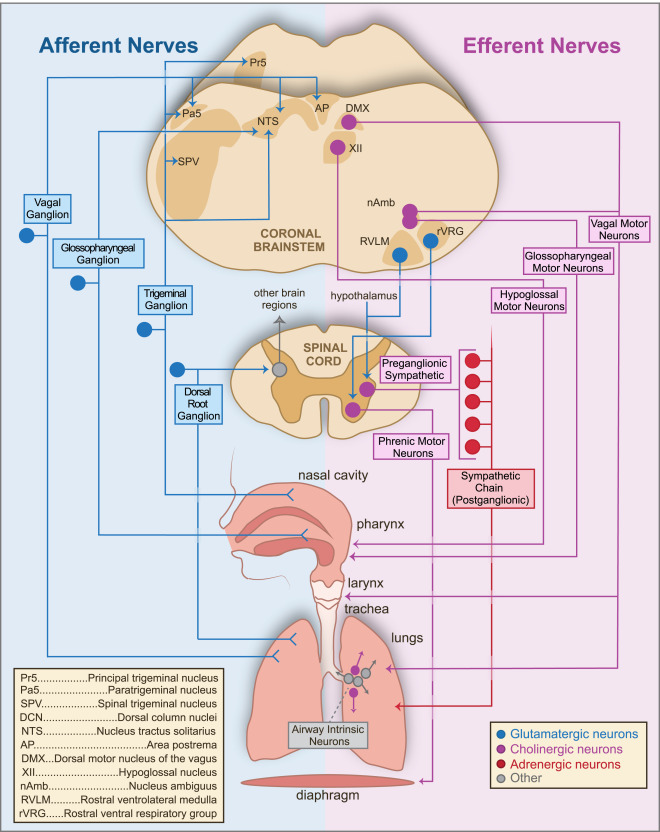
Here’s the science: the way you breathe directly influences your vagus nerve—a major highway from your brain to your gut. Slow, rhythmic breathing activates the PNS. Fast, shallow breathing? That signals danger to the SNS. So, by changing your breath pattern, you can literally shift your state. It’s not magic—it’s neurophysiology.
Why breathwork isn’t just “calm down” advice
I used to roll my eyes at “just breathe” advice. But the nuance matters. You don’t want to force yourself into a zombie-like calm when you need to perform. You want the right state for the moment. That means understanding which breath pattern triggers which ANS response. Let’s map that out.
Breathwork for a Hyperactive Sympathetic State (Anxiety, Stress, Panic)
When your SNS is screaming—racing heart, sweaty palms, shallow breathing—your breath is already short and fast. The goal here is to lengthen the exhale. Why? Because the exhale is the brake. It stimulates the vagus nerve and tells your heart: “Slow down.”
The go-to technique: Box breathing (4-4-4-4). Inhale for 4 counts, hold for 4, exhale for 4, hold for 4. It’s simple, but it works because it forces a rhythmic pattern. Another option: Extended exhale breathing—inhale for 4, exhale for 6 or 8. This directly lowers heart rate variability (HRV) in a good way—shifting you toward parasympathetic dominance.
Honestly, I’ve used this before job interviews. It’s not a cure-all, but it buys you 30 seconds of clarity. And in a panic state, 30 seconds is a lifetime.
Table: Breath patterns for SNS overdrive
| Technique | Ratio (Inhale:Hold:Exhale:Hold) | Best for |
|---|---|---|
| Box breathing | 4:4:4:4 | Acute stress, panic |
| Extended exhale | 4:0:6:0 or 4:0:8:0 | Anxiety, racing thoughts |
| 4-7-8 breathing | 4:7:8:0 | Falling asleep, deep calm |
Notice the pattern? Longer exhales = more PNS activation. It’s almost like your lungs are negotiating a truce with your brain.
Breathwork for a Sluggish Parasympathetic State (Fatigue, Brain Fog, Low Motivation)
Sometimes you’re not stressed—you’re just… flat. That’s a different problem. Your PNS might be dominant to the point of lethargy. Or your SNS is underactive. In this case, you want to rev the engine, not brake. Enter: stimulating breathwork.
Try “Bellows breath” (Bhastrika)—rapid, forceful inhales and exhales through the nose, about one cycle per second. Do it for 30 seconds to a minute. It increases oxygen delivery, spikes your heart rate, and wakes up the SNS. Another option: Alternate nostril breathing with a quick inhale. Inhale left, hold briefly, exhale right—but make the inhale sharp. This balances both hemispheres while giving you a jolt.
I’ve used this before a workout when I felt like a zombie. It’s not a coffee replacement, but it’s close. Just don’t overdo it—too much can make you jittery. Start slow.
When you need focus, not frenzy
There’s a middle ground, you know. For tasks that require concentration—writing, coding, studying—you don’t want full-blown SNS activation or PNS sedation. You want a coherent state. That’s where resonant breathing (also called coherent breathing) comes in. Inhale and exhale for 5.5 seconds each (about 5.5 breaths per minute). This synchronizes your heart rate, blood pressure, and brainwaves. It’s like tuning a guitar string—everything hums together.
Studies show this improves HRV and cognitive performance. It’s not flashy, but it’s reliable. I keep a timer on my desk for this.
Breathwork for Sleep: The 4-7-8 Method (and Why It Works)
Insomnia is a beast. Your ANS is stuck in a hyper-vigilant loop. The 4-7-8 technique—inhale for 4, hold for 7, exhale for 8—is a classic for a reason. That long hold and even longer exhale force the vagus nerve to engage. It’s almost like a reset button.
But here’s a quirk: some people feel claustrophobic with the hold. If that’s you, try pursed-lip breathing instead. Inhale through your nose, exhale slowly through pursed lips (like blowing out a candle). Same mechanism, less intensity. The key is the exhale length.
I’ve found that pairing this with a body scan—mentally checking each muscle group—amplifies the effect. Your brain gets the signal: “We’re safe. We’re slowing down.”
Practical Application: Building a Breathwork Routine (Without Overcomplicating It)
You don’t need an hour. You don’t need an app (though they help). Here’s a simple framework:
- Morning (low energy): 1 minute of bellows breath or 3 rounds of alternate nostril breathing (quick inhale).
- Midday (stress or overwhelm): 2 minutes of box breathing or extended exhale.
- Evening (winding down): 5 minutes of 4-7-8 or resonant breathing at 5.5 breaths per minute.
That’s it. Consistency beats intensity. And honestly, even 30 seconds of conscious breathing can shift your state. The science backs it up—your nervous system responds to breath in real-time.
A word on safety and contraindications
Breathwork is powerful—maybe too powerful for some. If you have a history of seizures, cardiovascular issues, or are pregnant, check with a doctor first. Techniques like bellows breath can cause dizziness or hyperventilation. Start slow. Listen to your body. It’s not a competition.
The Takeaway: You’re Already Breathing—Might as Well Use It
Here’s the thing: breathwork isn’t a mystical practice reserved for monks or influencers. It’s a biological tool. Your ANS is constantly listening to your breath, adjusting your heart rate, your digestion, your stress levels. You can either let it run on autopilot—or you can take the wheel. The science is clear. The application is simple. The only question is: are you willing to pause for a few seconds and breathe intentionally?
That pause—that tiny shift—might just be the most productive thing you do today.