Let’s be honest. If you work at a desk, you probably know that ache. It starts as a low hum in your shoulders, a stiffness in your neck, a persistent tightness in your lower back that feels like a clenched fist. For many of us, it doesn’t just go away. It becomes a constant, unwelcome companion—chronic pain.
And here’s the frustrating part: the usual advice often feels impossible. “Get more exercise!” you’re told, but the thought of hitting the gym after eight hours of sitting sounds like a punishment, not relief. The cycle feels vicious: pain makes you move less, and moving less, well, it can make the pain worse.
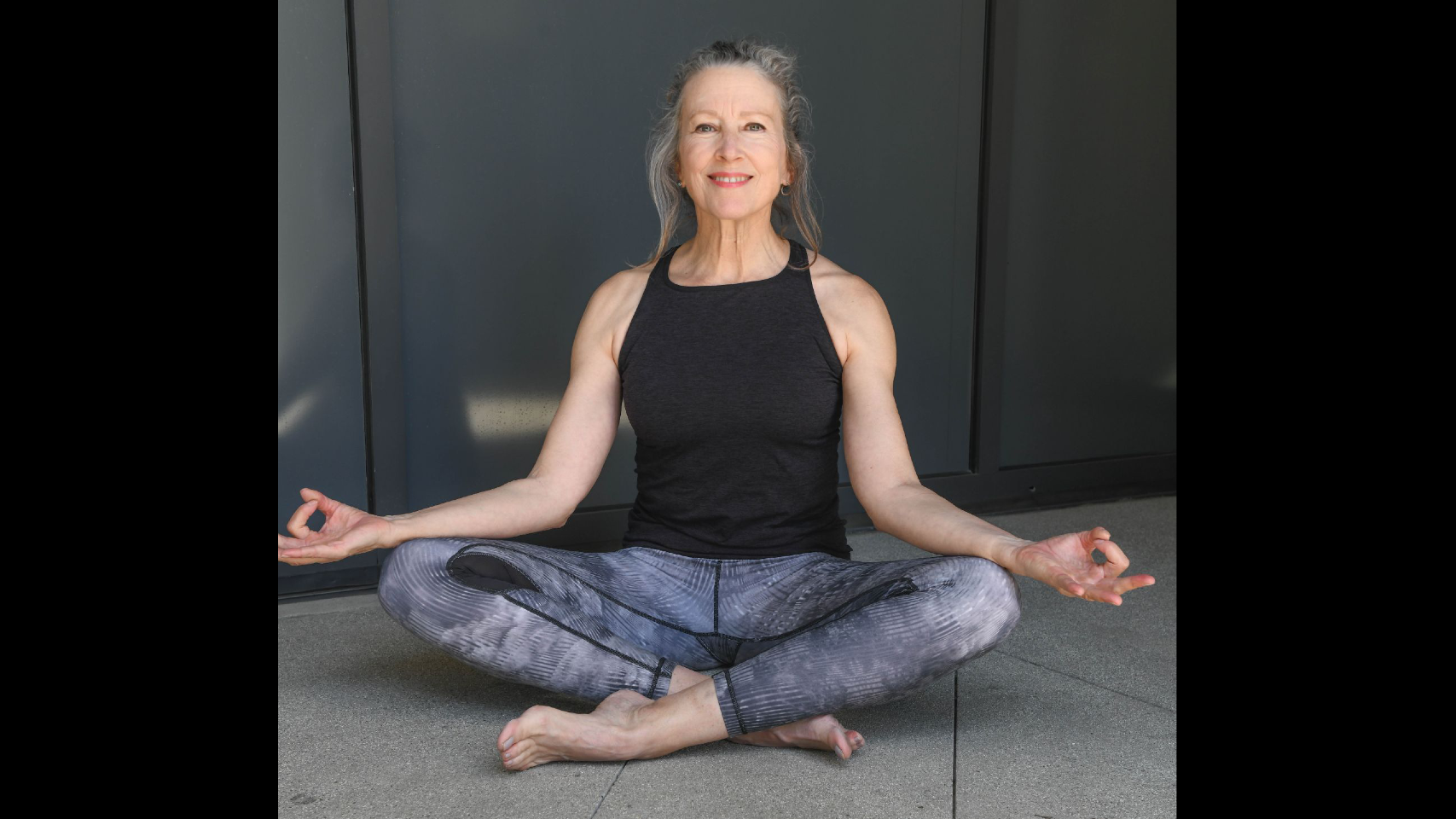
That’s where mindful movement comes in. This isn’t about adding another grueling workout to your calendar. It’s a different approach entirely. Think of it as learning a new language for your body—one of awareness, gentle curiosity, and small, deliberate motions that can, honestly, start to rewrite your relationship with pain right from your desk chair.
Why “Just Stretching” Isn’t Enough for Chronic Pain
We’ve all done it. Felt a twinge, reached over our head for a quick stretch, and called it a day. But for persistent pain, this is often like putting a bandage on a leaky pipe. The issue runs deeper.
Desk work creates what physios call “adaptive shortening.” Your hip flexors, chest, and the front of your shoulders are in a constant state of slight contraction. Meanwhile, the opposing muscles—your glutes, upper back, and rear shoulders—switch off. They literally forget how to engage properly.
Mindful movement addresses this imbalance by combining gentle physical repositioning with focused mental attention. You’re not just pulling on a tight muscle; you’re sensing it, listening to it, and teaching your nervous system that movement can be safe again. It’s the difference between yanking on a stuck drawer and gently jiggling it to find the precise point of release.
Your Desk-Side Toolkit: Simple Practices to Integrate
Okay, let’s get practical. You don’t need special equipment or 30 free minutes. The goal is micro-practices—tiny bites of movement sprinkled throughout your day. Consistency here beats intensity every single time.
1. The Foundational Breath Reset
Before any movement, start here. Your breath is your remote control for your nervous system. Sit back in your chair, feet flat. Inhale slowly for a count of four, feeling your ribs expand not just forward, but to the sides and back. Exhale for a count of six. Do this just five times. It signals safety to your brain, which is crucial when dealing with chronic pain.
2. Movements for Upper Body Tension
For the neck, shoulders, and that dreaded “tech neck”:
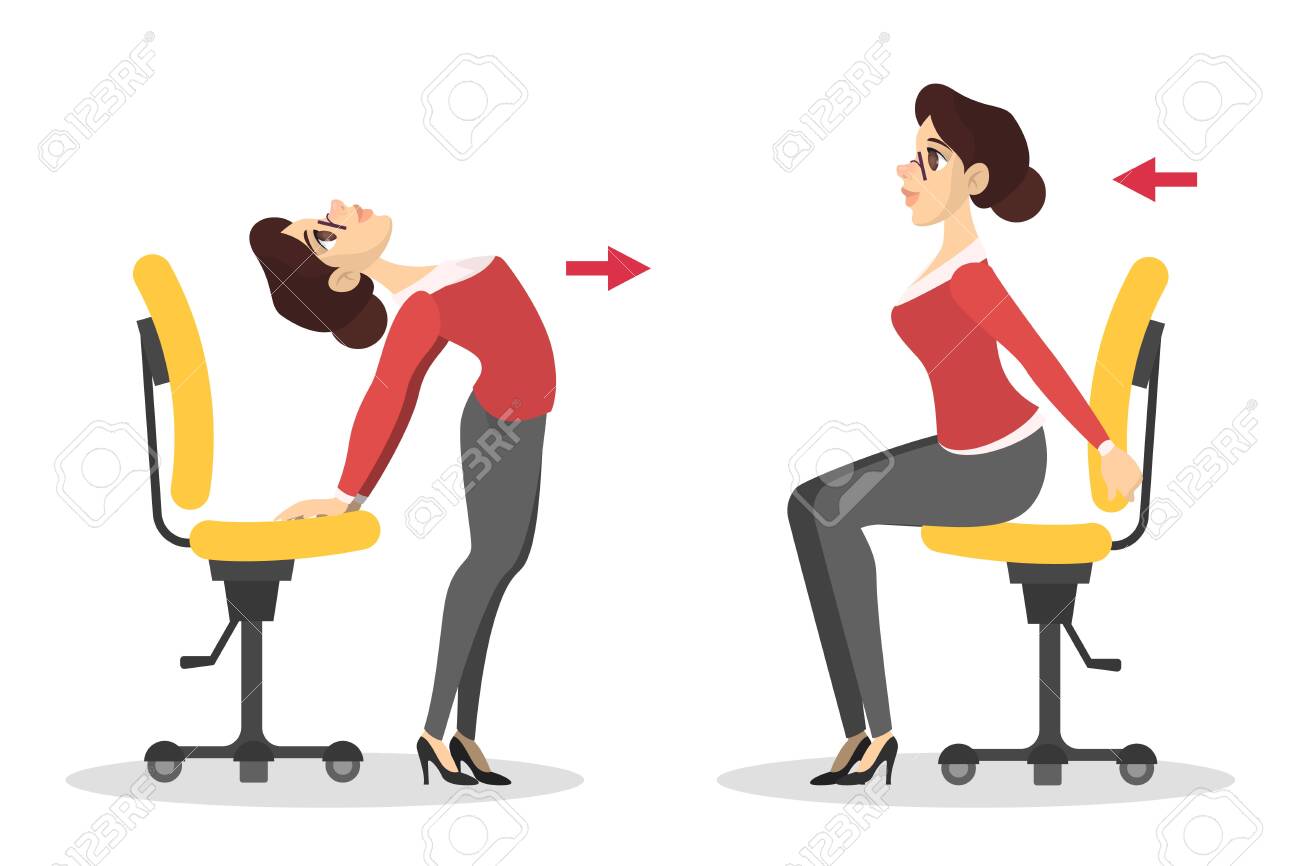
- Seated Cat-Cow: Place hands on your knees. Inhale, arch your back slightly, and open your chest (Cow). Exhale, round your spine, tuck your chin (Cat). Move with your breath, not force. It’s about spinal articulation, not a big stretch.
- Ear to Shoulder… Kinda: Instead of yanking your head sideways, imagine you’re growing taller, then let your head drift gently toward your shoulder. No pushing. Hold for 3 breaths. You’re creating space, not stretching a muscle.
- Scapular Awareness: Sit tall. Slowly draw your shoulder blades together and down your back, as if sliding them into your back pockets. Hold for a second, release. This re-engages those sleepy upper back muscles.
3. Addressing the Hips and Lower Back
This is where desk-based professionals with chronic low back pain can find real relief.
- Seated Figure-4: While seated, cross your right ankle over your left knee. Let the right knee fall open. If you feel a stretch, great. If not, simply sit tall and breathe into your right hip for 30 seconds. The goal is to introduce a different shape to your hips.
- Standing Hip Circles: Stand up to grab water. Place hands on your hips. Make tiny, slow circles with your pelvis, as if drawing a coin-sized circle on the ceiling with your tailbone. It’s mobilizing, not stretching.
- The “Constructive Rest” Break: Lie on your back on the floor (if possible) for 5 minutes with knees bent, feet flat. Let your lower back settle. This is a powerful reset for your pelvis and spine.
Building a Sustainable Routine (That You’ll Actually Do)
Motivation is fleeting. Systems are forever. Here’s how to make mindful movement stick without it feeling like a chore.
| Trigger | Mindful Movement Micro-Action | Duration |
| After sending an email | 5 rounds of Breath Reset + Seated Cat-Cow | 90 seconds |
| Every hour on the hour | Stand up, do 5 slow Standing Hip Circles each way | 60 seconds |
| Before a meeting starts | Perform the “Ear to Shoulder” sequence gently on each side | 60 seconds |
| When feeling overwhelmed | Scapular Awareness squeezes, synchronized with breath | 10 reps |
The key is to anchor these tiny practices to existing habits. You’re not finding time, you’re attaching movement to what you already do.
The Mind-Body Connection: It’s Not “All In Your Head”
This part is crucial. With chronic pain, the tissues may have healed, but the nervous system remains on high alert—a phenomenon called central sensitization. Mindful movement works directly on this.
By moving slowly and with attention, you send new data to your brain: “Hey, this movement is safe. This position is okay.” You’re essentially dialing down the alarm system. It’s less about fixing a “broken” part and more about calming an overprotective system. That shift in perspective? It can be incredibly freeing.
A Final, Gentle Nudge
Look, transforming a relationship with chronic pain is a journey, not a destination. There will be good days and flare-up days. The goal of mindful movement for desk workers isn’t perfection. It’s simply to introduce more moments of ease, more awareness, and more agency into your day.
Start impossibly small. Pick just one of the micro-practices from above and try it for three days. Notice the subtle shifts—not just in your muscles, but in your focus and your stress levels. Your body has been speaking to you through the language of discomfort for a long time. Maybe it’s time to start a new, kinder conversation.