Remember the last time you got a paper cut? That tiny, annoying little line on your finger. Now, imagine recovering from major surgery and the only visible reminder is… well, nothing. No line, no scar, no physical mark at all. That’s the promise—and increasingly, the reality—of scarless surgery.
We’re witnessing a quiet revolution in the operating room. Surgeons are trading traditional scalpels for ultra-thin scopes and cameras, finding new pathways to our organs that bypass the skin entirely. It sounds like science fiction, but it’s happening right now. Let’s dive into the fascinating world of natural orifice and endoscopic techniques, where the goal isn’t just to heal, but to leave no trace.
What Exactly Is “Scarless” Surgery? Let’s Clear That Up
First, a quick clarification. “Scarless” is a bit of a misnomer—or at least, it needs context. The techniques we’re talking about don’t magically prevent all scarring. Instead, they cleverly hide the scars. There are two main approaches reshaping modern surgery:
- Natural Orifice Transluminal Endoscopic Surgery (NOTES): This method uses the body’s own natural openings—the mouth, rectum, or vagina—as an entry point. A flexible endoscope is passed through, then a small incision is made inside the organ wall to reach the abdominal cavity. The result? All the surgical work is done internally, with zero external cuts.
- Endoscopic/Laparoscopic Single-Site Surgery (LESS): Think of this as the minimalist cousin of standard laparoscopic (keyhole) surgery. Instead of three or four small incisions, the surgeon makes just one tiny cut, usually in the belly button. All instruments pass through this single portal. Once healed, the scar is hidden within the navel’s natural folds, effectively invisible.
Honestly, both approaches flip the traditional surgical script. The focus shifts from “how do we get in?” to “how can we get in without leaving a mark?”
Why Go Scarless? The Benefits Are More Than Skin Deep
Sure, the cosmetic advantage is obvious and, for many patients, incredibly meaningful. But the benefits run much deeper. Here’s the deal:
- Reduced Pain: Fewer or no external incisions mean less trauma to abdominal muscles and skin nerves. Patients often report significantly less post-op pain.
- Quicker Recovery: With less pain and trauma comes a faster bounce-back. Hospital stays are shorter, and return to normal life—work, exercise, picking up your kids—happens sooner.
- Lower Risk of Complications: External wounds are prime sites for infection, hernias, and bleeding. By eliminating them, these risks plummet. It’s a game-changer.
- Improved Patient Psychology: This one’s huge. The absence of a visible scar can dramatically reduce the psychological burden of surgery, especially for younger patients or those undergoing procedures for sensitive conditions.
The Tech Making It All Possible
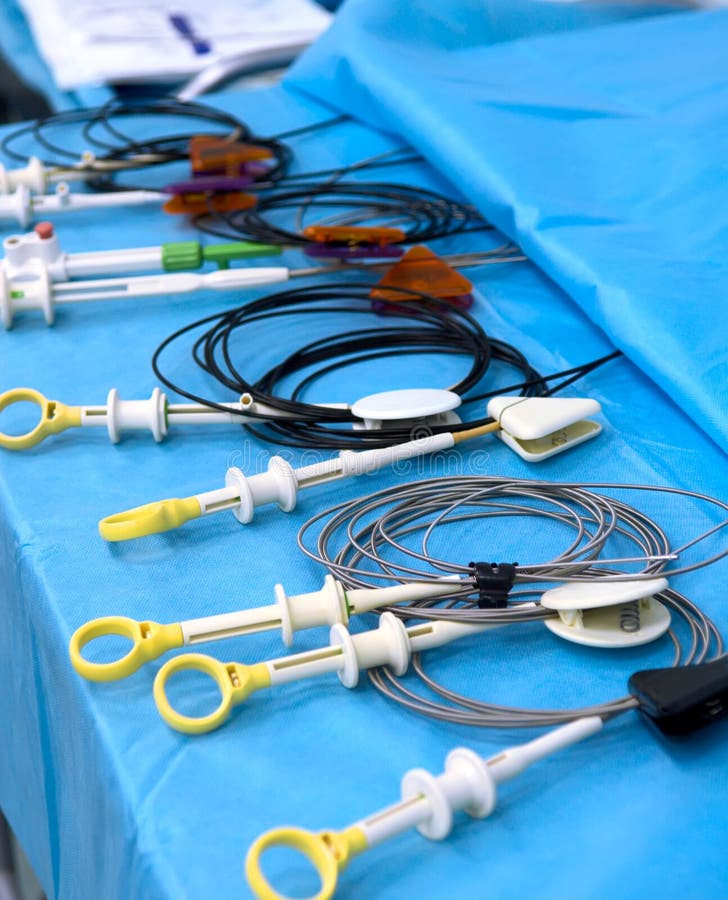
None of this would be feasible without some jaw-dropping advancements in surgical technology. We’re talking about ultra-high-definition 3D cameras that give surgeons a crystal-clear, immersive view inside the body. Articulating instruments that bend and rotate with a dexterity rivaling the human wrist—all through a tube just a few millimeters wide.
Robotic systems are also joining the party, offering enhanced precision and stability for these incredibly delicate procedures. It’s like the surgeon’s hands have become miniature, steady, and able to navigate tight corners with superhuman control.
Where Is This Happening? Real-World Applications
You might be wondering, “Okay, but what surgeries can they actually do this way?” Well, the list is growing faster than many predicted.
| Procedure Type | Common Scarless Approach | Notes |
| Gallbladder Removal (Cholecystectomy) | Single-Site (LESS) via belly button | Perhaps the most common scarless procedure today. |
| Weight Loss Surgery (Sleeve Gastrectomy) | Single-Site or Hybrid NOTES | Transforming a major operation with minimal visible impact. |
| Appendectomy | NOTES (via stomach or vagina) or LESS | Offers a true alternative to emergency laparoscopic surgery. |
| Diagnostic & Biopsy Procedures | NOTES | Exploring and sampling tissue with unparalleled access. |
| Gynecological Surgeries (Hysterectomy) | NOTES (transvaginal) | A natural and logical pathway for many pelvic procedures. |
And that’s just the start. Surgeons are innovating constantly, pushing the boundaries into areas like colorectal surgery, prostate removal, and even some thoracic procedures. The trajectory is clear: if it can be done through a tube, we’re figuring out how to do it without a scar.
It’s Not All Smooth Sailing: The Challenges Ahead
Let’s not gloss over the hurdles. NOTES and single-site surgery are technically demanding—like performing intricate watch repair through a mail slot. The “sword fighting” of instruments—where they clash and limit movement inside—is a real issue. There’s also a steep learning curve for surgical teams.
Cost is another factor. The specialized equipment isn’t cheap, and longer operating times can add up. Not every hospital has the resources or the volume to support these programs yet. And, crucially, patient selection is key. Not everyone is a candidate based on their anatomy or medical history.
A Quick Word on the “Yuck” Factor
Some folks get squeamish at the thought of surgery via, say, the stomach or colon. That’s a perfectly normal initial reaction. But surgeons address this with meticulous sterile technique and by understanding the body’s natural barriers. The perceived “ick” factor often melts away when patients weigh it against the tangible benefits of less pain and no scars. It’s a trade-off many are willingly making.
The Future Is (Almost) Invisible
So, where does this leave us? The trend is unmistakable. As technology gets smarter, smaller, and more intuitive, these techniques will become more standardized. Training will improve. Costs will, hopefully, come down. We’re moving toward a future where for many common procedures, the question won’t be “how big will the scar be?” but “would you prefer the scar hidden in your navel, or not at all?”
The rise of natural orifice and endoscopic scarless surgery represents more than a technical feat. It’s a philosophical shift in medicine—a move toward truly patient-centric care that considers the whole journey, from physical outcome to emotional well-being. It acknowledges that healing isn’t just about fixing what’s inside; it’s about preserving the person on the outside, too.
That’s a future worth looking forward to, no scars attached.