Let’s be real for a second. You’ve probably tried a dozen diets by now. Keto, paleo, intermittent fasting, maybe even that weird cabbage soup thing your aunt swears by. And maybe some worked… for a bit. But then the weight crept back, or your energy tanked, or your digestion just went haywire. Here’s the thing — it’s not you. It’s your gut bugs. Seriously. Your microbiome — that sprawling city of trillions of bacteria, fungi, and viruses living in your intestines — is as unique as your fingerprint. And it’s screaming for a personalized menu.
Wait, What Exactly Is the Gut Microbiome?
Think of your gut microbiome like a rainforest ecosystem. Some species thrive in sunlight, others in shade. Some need lots of water, others barely sip. Now imagine you dump a truckload of fertilizer (say, a high-sugar diet) into that rainforest. The fast-growing weeds take over, and the delicate ferns die off. That’s what happens in your gut when you eat blindly. Your microbiome is a dynamic community that shifts based on what you feed it. And honestly, it’s way more influential than most people realize.
Your gut bacteria don’t just help digest food. They talk to your brain, regulate your immune system, influence your mood, and even affect how you store fat. So when someone tells you “just eat less and move more,” they’re ignoring the fact that your gut bugs might be sabotaging your efforts. That’s where gut microbiome diet personalization comes in — it’s like giving each bacterial species its own VIP menu.
Why One-Size-Fits-All Diets Fail (And Your Gut Knows It)
Here’s a little secret: the Mediterranean diet is amazing… for some people. For others, it causes bloating and brain fog. Why? Because your gut bacteria react differently to the same foods. A 2018 study in Cell showed that even identical twins have different blood sugar responses to the exact same meal. The culprit? Their gut microbes. So when you follow a generic diet plan, you’re essentially playing Russian roulette with your microbiome.
Let’s break it down with a quick example. You eat a bowl of oatmeal. For one person, that oatmeal feeds beneficial Bifidobacterium that produce anti-inflammatory compounds. For another person, it feeds gas-producing Clostridium species that cause bloating and discomfort. Same food, vastly different outcomes. That’s the power — and the frustration — of gut microbiome diet personalization.
Your Gut Has a Signature — Literally
Every time you eat, you’re sending a signal to your gut bacteria. Think of it like a text message: “Hey, we’ve got fiber coming in!” or “Uh oh, more sugar on the way.” Over time, those signals shape which bacteria thrive and which ones wither. And here’s the kicker — your gut microbiome is shaped by everything: your birth method (C-section vs. vaginal), your childhood diet, antibiotics you took years ago, even your stress levels. So a diet that worked for your friend might actually mess you up. That’s not a failure on your part. It’s biology.
How Gut Microbiome Diet Personalization Actually Works
Okay, so you’re convinced. But how do you actually personalize your diet for your gut? It’s not about guessing. It’s about data. Here’s the general flow:
- Stool sample analysis — You send a sample to a lab. They sequence the DNA of your gut bacteria. This gives you a breakdown of which species are present and in what proportions.
- Food sensitivity mapping — Some services also test how your blood sugar responds to different foods using continuous glucose monitors.
- AI-driven recommendations — Algorithms cross-reference your bacterial profile with thousands of studies to suggest what you should eat more of (and less of).
- Iterative tweaking — You try the recommendations for a few weeks, then retest. It’s a feedback loop, not a one-and-done deal.
Sure, it sounds a bit sci-fi. But companies like Viome, DayTwo, and Zoe are already doing this. And the results are… well, pretty wild. People report better digestion, more energy, clearer skin, and even weight loss without calorie counting. Because when your gut bugs are happy, everything else falls into line.
What About Fiber? (Spoiler: It’s Complicated)
We’ve all heard “eat more fiber.” But here’s the nuance your gut craves. Different fibers feed different bacteria. Soluble fiber (like in oats) feeds Lactobacillus and Bifidobacterium. Insoluble fiber (like in celery) feeds Faecalibacterium prausnitzii, a superstar that produces butyrate — a compound that reduces inflammation. But if you have low levels of certain bacteria, loading up on fiber can actually cause gas and pain. Personalization means knowing which fiber to eat, and when.
Key Players in Your Gut Microbiome Diet Personalization
Let’s get into the nitty-gritty. Here are the main dietary levers you can pull to shift your microbiome:
| Dietary Factor | How It Affects Your Gut Bugs | Personalization Tip |
|---|---|---|
| Prebiotics (e.g., inulin, FOS) | Feed beneficial bacteria like Bifidobacterium | Start low and slow — too much can cause bloating if you lack the right microbes |
| Probiotics (e.g., yogurt, kefir) | Introduce live bacteria to the gut | Strain-specific effects matter — a probiotic for IBS won’t help with weight loss |
| Polyphenols (e.g., berries, dark chocolate) | Boost Akkermansia muciniphila, a keystone species | Pair with healthy fats for better absorption |
| Fermented foods (e.g., sauerkraut, kimchi) | Increase microbial diversity | Choose unpasteurized versions — heat kills the good guys |
| Artificial sweeteners | Can disrupt gut barrier and promote dysbiosis | If you must use them, test your personal response — some people are sensitive |
Notice something? It’s not about eliminating entire food groups. It’s about strategic inclusion. That’s the heart of gut microbiome diet personalization — you’re not depriving yourself, you’re curating.
Real-World Pain Points (And How Personalization Solves Them)
Let’s talk about the stuff that actually bugs people. I mean, literally bugs them.
The Bloat That Won’t Quit
You eat a salad, and suddenly you look six months pregnant. Classic. For many people, this is driven by an overgrowth of hydrogen-producing bacteria or methane-producing archaea. A personalized diet might mean temporarily reducing high-FODMAP foods (like onions, garlic, and beans) while boosting Bifidobacterium-friendly prebiotics. It’s not about cutting them forever — it’s about rebalancing.
The Sugar Cravings That Feel Uncontrollable
Ever feel like your brain is hijacked by a donut? That might be Candida or other sugar-loving microbes sending signals to your vagus nerve. Personalization can help by crowding out those sugar-craving bugs with fiber-loving bacteria. It’s like replacing a weed patch with a wildflower garden — you don’t pull every weed by hand, you just make the environment inhospitable for them.
The Brain Fog That Won’t Lift
Your gut and brain are connected via the vagus nerve. When your gut lining is inflamed (thanks to a diet that doesn’t suit you), inflammatory molecules can leak into your bloodstream and fog your thinking. Personalized diets often include L-glutamine-rich foods (like bone broth) and polyphenols to repair the gut barrier. And suddenly, you can think clearly again.
Is Gut Microbiome Diet Personalization Just Another Trend?
I get it. You’ve seen “personalized nutrition” before — it often feels like a fancy way to sell you expensive tests and supplements. But here’s the difference: the science is actually catching up. The Human Microbiome Project, launched in 2007, has given us a map of who lives in our guts. Now we’re learning how to navigate that map. And it’s not about perfection — it’s about direction. You don’t need a PhD in microbiology to benefit. You just need a willingness to listen to your body (and maybe a stool test).
That said, not all tests are created equal. Some only look at a handful of bacteria. Others, like shotgun metagenomic sequencing, give you a full picture. If you’re considering it, look for a service that provides actionable advice, not just a colorful pie chart. Because knowing you have low Akkermansia is useless unless you know how to boost it (hint: eat more pomegranates and cranberries).
Practical Steps to Start Personalizing Today (Without a Lab)
Not ready to drop cash on a test? No problem. You can start with these simple, gut-friendly shifts:
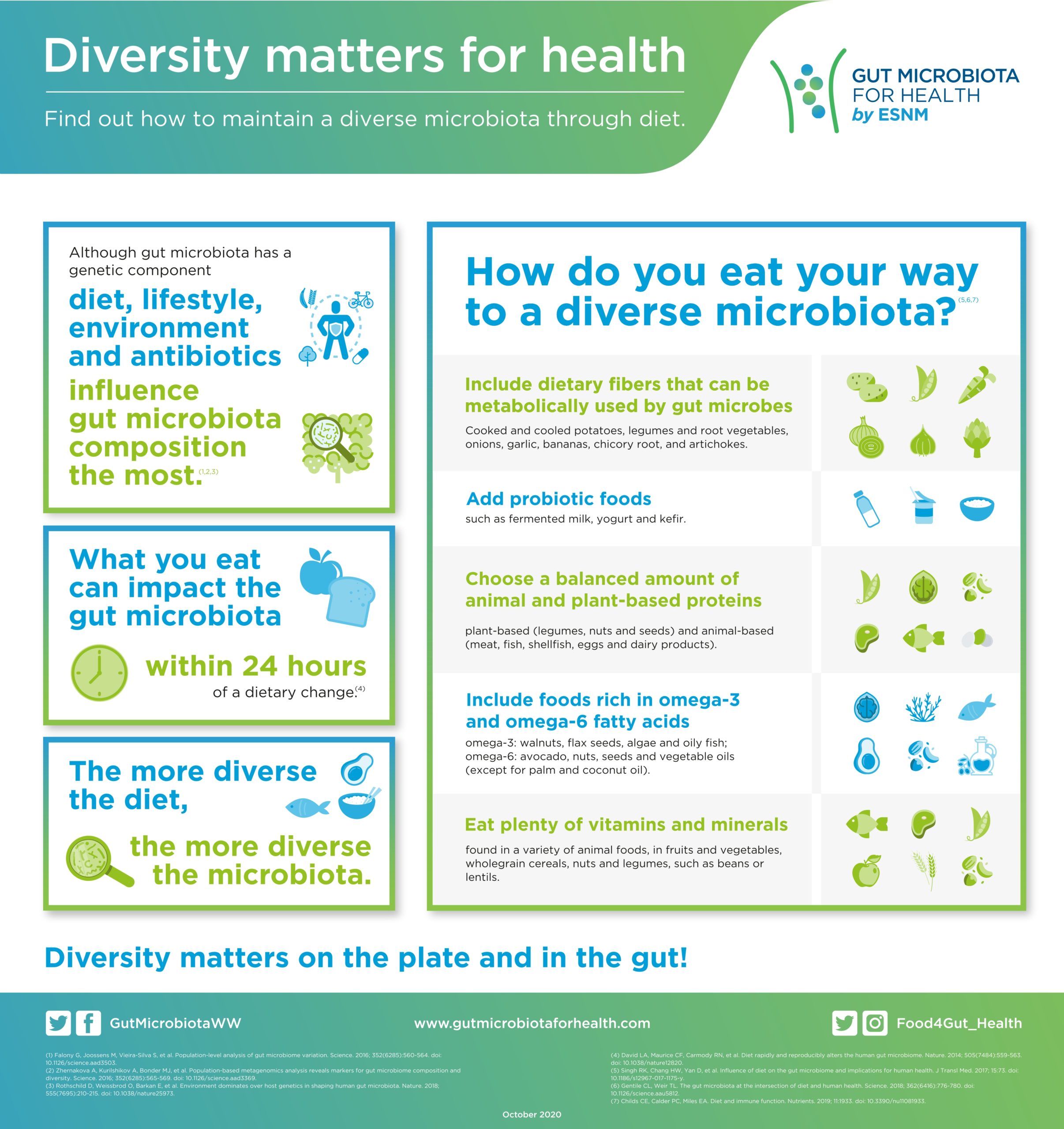
- Eat 30 different plant foods per week. Diversity in your diet = diversity in your microbiome. Count herbs, spices, nuts, seeds, veggies, and fruits. It’s a fun challenge.
- Rotate your protein sources. Don’t eat chicken every day. Try lamb, fish, eggs, tofu, or tempeh. Different proteins feed different bacteria.
- Add a tablespoon of fermented food to one meal daily. Kimchi, sauerkraut, or a spoonful of miso. Start with a tiny amount — your gut needs to adapt.
- Eat your largest meal earlier in the day. Your gut bacteria have circadian rhythms too. Eating late can disrupt them.
- Chew your food thoroughly. Digestion starts in the mouth. The more you chew, the easier it is for your gut bugs to access nutrients.
These aren’t rigid rules. They’re experiments. Try one for a