
Think of your airway as the body’s main highway. It’s the route oxygen takes to fuel your brain, your heart, your everything. Now, imagine that highway is constantly under construction—narrow, blocked, full of potholes. The traffic jam that creates doesn’t just ruin your night’s sleep; it throws a wrench into your entire system’s development and daily function.
That’s where airway-focused dentistry comes in. It’s a paradigm shift. We’re moving beyond just treating cavities and straightening teeth for aesthetics. This approach looks at the mouth as the gateway to overall health, specifically how the structure of your jaws, palate, and tongue impacts your ability to breathe—especially at night.
The Silent Link: Your Mouth, Your Sleep, Your Health
You know that feeling of being utterly exhausted despite a “full” night’s sleep? For many, the culprit isn’t just stress or a bad mattress. It’s obstructed breathing. When the jaw is too small, the palate is too narrow, or the tongue rests in the wrong position, it can physically block the airway during sleep.
This leads to sleep-disordered breathing, a spectrum that ranges from loud snoring all the way to obstructive sleep apnea (OSA). In sleep apnea, breathing actually stops and starts repeatedly, starving the brain and body of oxygen. The body’s stress response kicks in each time, flooding your system with cortisol. It’s like being startled awake by a predator dozens of times an hour. Every. Single. Night.
Beyond Fatigue: The Ripple Effects
The consequences are, well, massive. We’re not just talking about daytime sleepiness. Chronic oxygen deprivation and sleep fragmentation are linked to:
- ADHD-like symptoms in both kids and adults
- Mood disorders, anxiety, and depression
- Hypertension and cardiovascular strain
- Metabolic issues, including type 2 diabetes
- Poor concentration and memory fog
Honestly, it’s a public health issue that often flies under the radar. And the developmental piece? That’s where it gets really crucial.
The Developmental Blueprint: It Starts in Childhood
Here’s the deal: our faces and airways are largely developed in childhood. The habits and structures formed during these growth years set the stage for lifelong health. An airway-focused dentist looks for early warning signs—signs that many of us were trained to overlook.
Let’s list some of the red flags in kids:
- Mouth breathing (lips are always apart)
- Snoring or noisy sleep breathing
- Restless sleep, odd sleep positions (head tilted back, neck extended)
- “Allergic shiners” – dark circles under the eyes
- Long, narrow facial shape, gummy smile
- Crowded teeth and a high, narrow palate
- Bedwetting beyond typical age
- Behavioral and focus challenges in school
When a child is a chronic mouth breather, the tongue—which is supposed to be a natural palate expander—drops to the floor of the mouth. Without that gentle pressure, the palate stays narrow, the jaws don’t grow forward enough, and the airway remains cramped. It’s a self-perpetuating cycle. We’re seeing a surge in these issues, possibly linked to modern diets, allergies, and even environmental factors.
What Does Airway-Focused Treatment Actually Look Like?
Okay, so it’s not just about making a nightguard. The approach is collaborative and preventive. It often involves working with ENT doctors, myofunctional therapists, and sleep physicians. The goal is to identify the root cause and intervene early, guiding proper growth and function.
Key Tools in the Toolkit
| Approach | How It Helps | Often Used For |
| Palatal Expansion | Gently widens the upper jaw, opening the nasal airway and creating space for teeth and tongue. | Children & teens with narrow arches; some adults. |
| Myofunctional Therapy | Exercises to retrain tongue posture, swallowing, and nasal breathing. Think of it as physio for your mouth. | All ages to correct oral habits and strengthen airway muscles. |
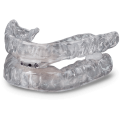
| Oral Appliance Therapy | Custom devices that reposition the lower jaw and tongue forward during sleep to keep the airway open. | Adults with mild to moderate sleep apnea or snoring. |
| Early Interceptive Orthodontics | Guiding jaw growth and tooth alignment before all permanent teeth erupt, optimizing airway space. | Children, typically ages 7-10. |
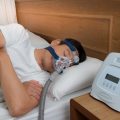
The beauty of early intervention? It’s proactive, not just reactive. Instead of just pulling teeth to make room for braces later, we can guide the jaws to grow to their full, healthy potential—creating a wider airway in the process. For adults, the game changes a bit, but it’s far from hopeless. Oral appliance therapy can be a lifesaver for those who can’t tolerate CPAP machines.
A New Way of Thinking About Health
This is the core of it all. Airway-focused dentistry forces us to connect the dots. That child struggling in school might be sleep-deprived. That adult with treatment-resistant hypertension might have undiagnosed sleep apnea. The jaw joint pain (TMJ) you’ve been dealing with? It could be your body’s frantic attempt to reposition your jaw at night just to get a sliver of air.
It’s a holistic view. We’re asking different questions now. Not just “Are the teeth straight?” but “Is the face growing well?” Not just “Does the bite fit?” but “Can this person breathe optimally, day and night?”
So, what does this mean for you? Well, if any of this rings a bell—for you or your child—consider it a nudge to look deeper. Talk to your dentist. Ask about airway health. Seek out a professional trained in this approach. It might just be the missing piece in a long, frustrating health puzzle.
Because in the end, true health isn’t just about the absence of disease. It’s about creating the conditions for the body to thrive. And it all starts with a breath.