Let’s be real for a second. Menopause isn’t just about hot flashes and mood swings. It’s a full-body reset — and your muscles? They’re caught in the crossfire. You might feel like you’re lifting the same weights you did a year ago, but now your joints ache, your sleep is garbage, and recovery takes… forever. Sound familiar? That’s because estrogen — your body’s natural anti-inflammatory and muscle-protector — is on a steep decline. So, what do you do? You don’t just train harder. You train smarter. And you build recovery protocols that actually work with your shifting biology.
Why Menopause Changes the Game for Strength Training
Here’s the deal: estrogen helps regulate muscle protein synthesis and collagen production. When levels drop, your body becomes more catabolic — meaning it breaks down muscle more easily. You also lose bone density faster. So, strength training isn’t optional anymore. It’s medicine. But the old-school approach — grind until you drop, then rest a day — doesn’t cut it. You need protocols that respect your new physiology.
Think of it like this: pre-menopause, your body was a Ferrari. Post-menopause? It’s a reliable SUV — still powerful, but it needs different fuel, more maintenance, and smarter navigation. You can’t redline the engine every session.
Strength Protocols Tailored for Menopause
Honestly, the biggest mistake I see? Women doing too much volume and not enough intensity. During menopause, your nervous system is already under stress from hormonal fluctuations. High-volume, moderate-weight sessions can actually spike cortisol and stall progress. Instead, focus on:
- Heavy, compound lifts — squats, deadlifts, presses. These stimulate bone density and muscle fiber recruitment better than isolation moves.
- Lower reps (3–6 per set) — this keeps the central nervous system fresh while building strength.
- Longer rest periods (2–3 minutes) — you need time to recover between sets. Rushing leads to poor form and injury.
- Frequency over volume — train each muscle group 2–3 times per week, but keep sessions under 45 minutes.
One thing I’ve noticed: many women fear going heavy because they think it’ll “bulk them up.” It won’t. Without estrogen, building muscle is actually harder. Heavy lifting preserves what you have and keeps your metabolism humming. So, don’t be afraid of the barbell.
The Recovery Puzzle: Why Rest Isn’t Just “Not Working Out”
Recovery during menopause is a whole different beast. You know that feeling when you wake up after a hard workout and your muscles feel like concrete? That inflammation is amplified now. Estrogen used to tamp it down. Without it, you need to be deliberate.
Sleep: The Non-Negotiable
Sleep disturbances are a hallmark of menopause — night sweats, racing thoughts, waking at 3 AM. But sleep is when your body releases growth hormone and repairs tissue. If you’re not sleeping well, you’re literally sabotaging your gains. Here’s what helps:
- Cool the room down — 65–68°F is ideal. Use a fan or cooling mattress pad.
- Magnesium glycinate before bed — it calms the nervous system and supports muscle relaxation.
- No screens 60 minutes before sleep — blue light messes with melatonin production even more during menopause.
- Consistent wake-up time — even if you didn’t sleep well, get up at the same time. It helps regulate your circadian rhythm.
Nutrition Timing for Recovery
Protein intake becomes critical. You need about 1.6–2.2 grams per kilogram of body weight — and that’s daily, not just on training days. But here’s the nuance: spread it out. Have 30–40 grams of protein at each meal. Your body can only use so much at once; the rest is stored as fat or excreted.
Also, don’t skip carbs post-workout. I know, low-carb is trendy. But after a strength session, your muscles need glycogen replenishment. A simple combo: lean protein + sweet potato or rice. Add some greens for micronutrients. Your joints will thank you.
Active Recovery: The Missing Link
Most women either go hard or do nothing on rest days. That’s a mistake. Active recovery — think walking, gentle yoga, or mobility drills — keeps blood flowing without stressing your adrenal system. It’s like a gentle stream that clears debris, versus a stagnant pond.
Try this: on your off days, do 20–30 minutes of walking at a conversational pace. Add 10 minutes of hip mobility and thoracic spine openers. Your body will feel less stiff and more ready for the next session.
Supplements That Actually Help (and a Few That Don’t)
I’m not a doctor, but I’ve seen what works in practice. Here’s a quick table to cut through the noise:
| Supplement | Why It Helps | Dosage Tip |
|---|---|---|
| Creatine monohydrate | Supports strength, power, and cognitive function | 5g daily (no need to cycle) |
| Vitamin D3 + K2 | Bone density and immune support | 2000–4000 IU D3 + 100 mcg K2 |
| Omega-3s (fish oil) | Reduces inflammation and joint pain | 1–2g EPA/DHA combined |
| Collagen peptides | Supports tendons, ligaments, and skin | 10–15g post-workout or before bed |
| Melatonin (low dose) | Sleep onset, but use sparingly | 0.5–1mg, not more |
And what about BCAAs or glutamine? Honestly, most women don’t need them if they’re eating enough protein. Save your money.
Listening to Your Body vs. “No Pain, No Gain”
There’s a fine line here. You need to push yourself to stimulate adaptation — that’s how strength happens. But menopause amplifies the signals. A little joint ache? That’s normal. Sharp pain? Stop. Fatigue that lasts days? You’re overreaching. Back off.
I like to think of it as a conversation with your body. Pre-menopause, your body whispered. Now, it shouts. Don’t ignore the shouting. If you feel run down, take an extra rest day. Do some light stretching. Eat an extra serving of protein. The workout will still be there tomorrow.
Sample Weekly Protocol (Just a Template)
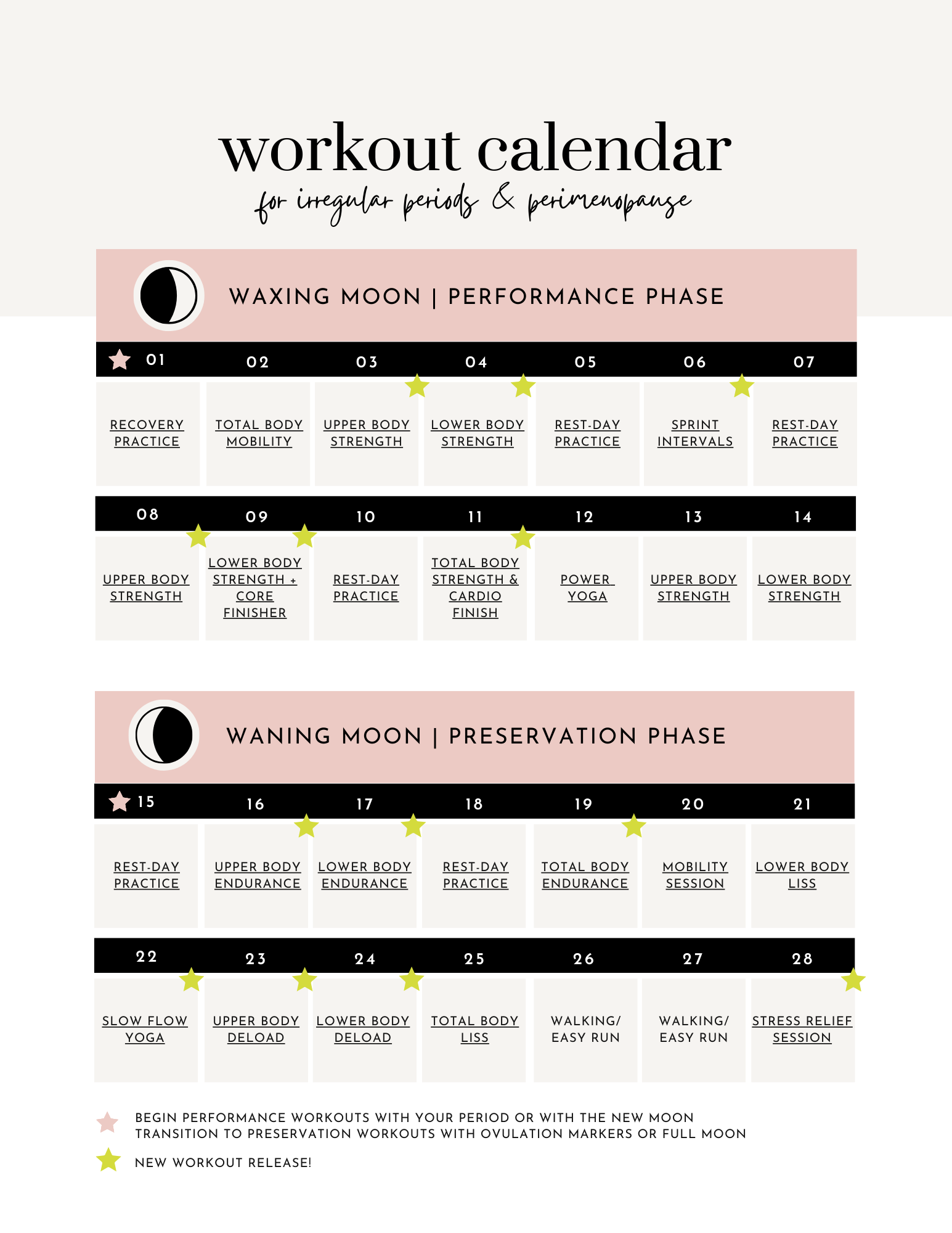
This isn’t set in stone — tweak it based on how you feel. But it gives you a framework:
- Monday: Heavy lower body (squats, deadlifts) — 4 sets of 5 reps, 3 min rest
- Tuesday: Active recovery — 30 min walk + 10 min hip mobility
- Wednesday: Heavy upper body (presses, rows) — 4 sets of 6 reps, 2.5 min rest
- Thursday: Full body light day (kettlebell swings, lunges, pull-ups) — 3 sets of 10, 90 sec rest
- Friday: Rest or gentle yoga
- Saturday: Moderate lower body (Romanian deadlifts, step-ups) — 3 sets of 8, 2 min rest
- Sunday: Rest — maybe a long walk or foam rolling
Notice the pattern: heavy days are spaced out, with active recovery in between. No two consecutive days of maximal effort. That’s the key.
Final Thought: This Isn’t a Decline — It’s a Redesign
Menopause isn’t the end of your strength journey. It’s a pivot point. You’re not broken. Your body is just asking for a different kind of care — one that values recovery as much as effort, and wisdom as much as willpower. The women who thrive during this phase? They’re the ones who adapt. They lift heavy, sleep deep, eat enough, and rest without guilt. That’s the protocol. That’s the path.
So, go ahead. Pick up that barbell. Then put it down, eat a good meal, and get some rest. Your body will thank you — not with a pat on the back, but with stronger bones, steadier energy, and a quiet resilience that no hot flash can touch.