You’ve tried it all. The keto diet, the high-intensity interval training, the marathon running. Your friend swears by one plan and gets incredible results, but when you try it? Crickets. Maybe some sore knees. It’s frustrating, right? What if the secret wasn’t in the latest fitness magazine, but hidden in your very own cells?
That’s the promise of genetic testing for personalized fitness. It’s like getting a user manual for your body, written in the language of your DNA. Let’s dive into what this actually means for you and your fitness journey.
Beyond the Guesswork: How Your Genes Influence Your Fitness
Think of your genes not as a rigid destiny, but as a blueprint. They give you predispositions. They can influence everything from how you respond to different types of exercise to how quickly you recover. It’s the reason some people seem to build muscle just by looking at a dumbbell, while others are natural-born endurance athletes.
The Key Players in Your Fitness DNA
Scientists have identified specific genes that play a huge role. Two of the big ones are:
- ACTN3 (The “Speed Gene”): This gene influences your muscle fiber type. Certain variants are associated with a higher proportion of fast-twitch fibers—perfect for power and sprinting. Other variants might mean you have more slow-twitch fibers, making you better suited for endurance.
- ACE (The “Endurance Gene”): This gene affects your cardiovascular efficiency. One version is linked to better performance in endurance sports, while another might give you an edge in power-based activities.
But it’s not just about performance. Your genes can also tell you about your injury risk (like susceptibility to Achilles tendon issues), your nutrient metabolism (how well you process fats and carbs for fuel), and even your caffeine sensitivity and how it affects your workout.
The Nitty-Gritty: What a Genetic Fitness Test Actually Does
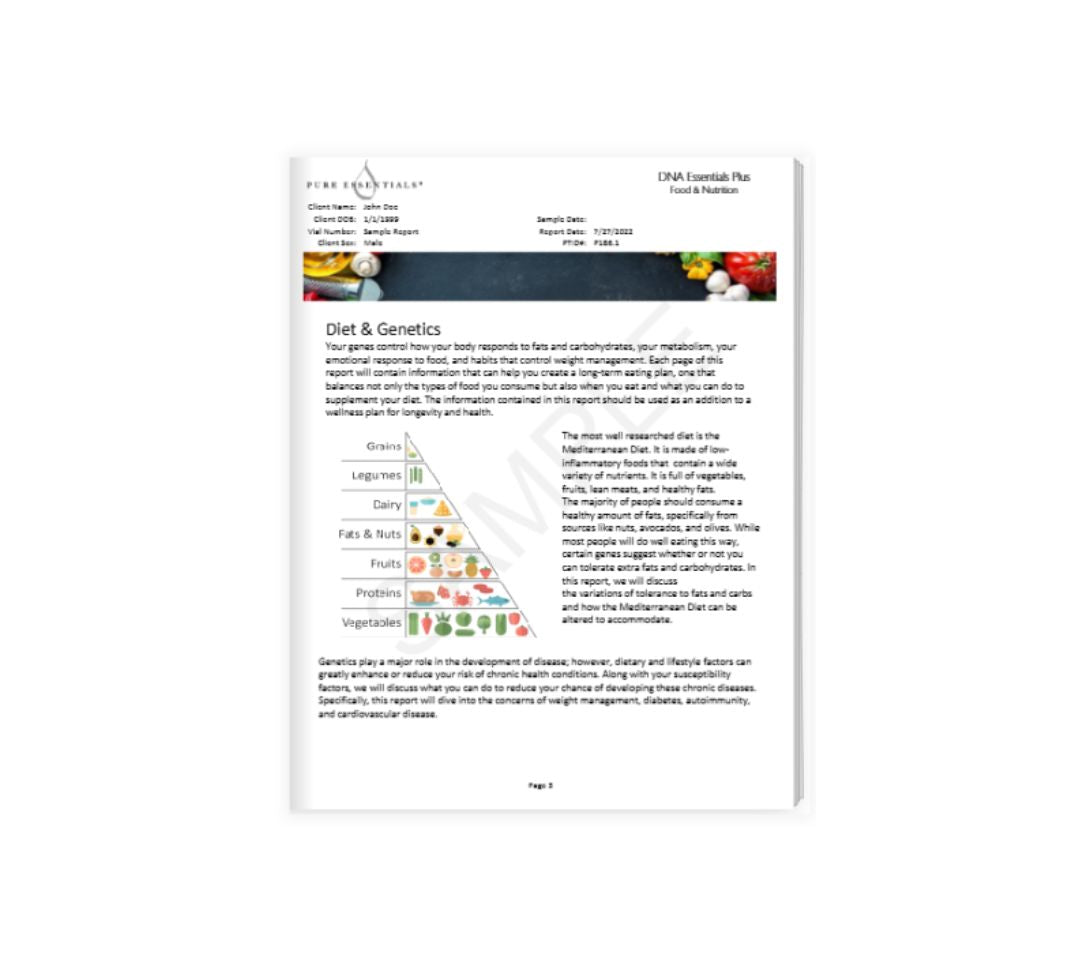
So, how does it work? Honestly, it’s surprisingly simple. You order a kit online, swab the inside of your cheek, mail it back, and in a few weeks, you get a detailed report. This isn’t a full genome sequencing; it’s a focused look at key markers known to impact fitness and nutrition.
Your report will break down your genetic predispositions into actionable categories. Here’s a simplified example of what you might learn:
| Genetic Trait | Your Result | Suggested Fitness Approach |
| Power vs. Endurance Potential | Moderate Power, High Endurance | Focus on long-distance running, cycling, or swimming. Mix in power training 2x/week. |
| Recovery Speed | Slower than Average | Prioritize sleep, incorporate active recovery days, and consider longer rest periods between intense sessions. |
| Injury Risk (Tendons) | Elevated | Emphasize proper form, include preventative strength training for tendons, and avoid overtraining. |
| Caffeine Metabolism | Fast Metabolizer | A cup of coffee 30 mins before a workout could effectively boost performance. |
The Real-World Payoff: From Data to Dumbbells
Okay, you have this fancy report. Now what? This is where the magic happens. A personalized fitness plan based on genetic testing takes the generic advice and… well, it makes it yours.
Let’s say your report shows you have a high sensitivity to joint impact and a predisposition for endurance. Instead of following a generic plan that has you doing high-impact box jumps, your personalized plan might pivot to:
- Low-Impact Cardio: Swimming, cycling, and the elliptical become your best friends.
- Strategic Strength Training: Focusing on controlled, heavy lifts with perfect form to build supportive muscle without the jarring impact.
- Optimized Recovery: Because your genes say you need it, you’ll build in more rest days and prioritize techniques like foam rolling.
The Flip Side: What Your Genes Don’t Tell You
Here’s the deal, though. It’s crucial to have the right expectations. Your DNA isn’t everything. In fact, it’s just one piece of a very complex puzzle.
Think of it like this: your genes set the ceiling and floor of your potential, but your lifestyle—your diet, your sleep, your daily stress, your consistency—is what builds the staircase to reach that ceiling. You can have the “perfect” genetic makeup for powerlifting, but if you never step foot in a gym, it doesn’t matter.
Genetic testing can’t account for your current fitness level, your personal motivation, or your schedule. It can’t replace the fundamental principles of hard work and dedication. It’s a guide, not a gospel.
Is It Worth It? A Final Thought
For the person who has tried everything and feels stuck, genetic testing can be a powerful tool for insight. It can finally explain why that bootcamp class wiped you out for a week while your buddy was fine. It can provide the motivation to stick with a plan because, for the first time, the plan feels like it was truly made for you.
It removes a layer of guesswork. It encourages a more mindful, sustainable approach to health. Instead of fighting your biology, you start working with it. And that, honestly, is a game-changer.
The future of fitness isn’t one-size-fits-all. It’s bespoke. It’s personal. And it might just start with a simple swab.