
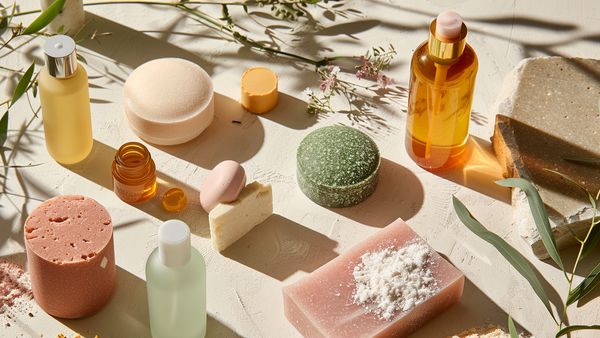
Let’s be real for a second—your bathroom shelf is probably a graveyard of half-used serums, sticky sunscreens, and that toner you bought because a TikTok influencer swore by it. Sound familiar? If you’re leaning into a minimalist lifestyle or you’re constantly hopping on planes, the weight of all those liquid bottles gets old. Fast.
Enter waterless skincare. Or anhydrous, if you want to sound fancy at dinner parties. These are products formulated without water as the first ingredient. Instead, they lean on oils, butters, waxes, and active powders. Honestly, it’s a game-changer for anyone who’s tired of lugging around 100ml liquid bags or watching their precious cream separate mid-flight.
What Does “Anhydrous” Actually Mean?
Well, “anhydrous” literally translates to “without water.” In skincare, this means the formula skips aqua (water) as a base. Traditional moisturizers are mostly water—like 70% to 80%—emulsified with oils. That water needs preservatives to prevent mold and bacteria. It also makes the product heavier, both in weight and in packaging.
Waterless formulas skip all that. You get pure, concentrated ingredients. Think of it like the difference between a fresh juice and a juice concentrate—except, you know, for your face. The texture is richer, more buttery, or sometimes powdery. And because there’s no water, you don’t need as many preservatives. That’s a win for sensitive skin types who react to parabens or phenoxyethanol.
Why Your Skin (and Suitcase) Will Thank You
Here’s the deal—water is heavy. A 50ml moisturizer jar is mostly water weight. When you’re packing for a weekend trip or a month-long backpacking adventure, every gram counts. Waterless products are typically more concentrated, so you need less product per use. A tiny tin of anhydrous balm can last you three times longer than a standard pump bottle.
Plus, there’s the TSA angle. You know the drill—liquids must be under 3.4 ounces and fit in that one quart-sized bag. Solid balms, oil-based serums, and powder cleansers? They often slip through without a fuss. I’ve carried a 50g jar of anhydrous cleansing balm through security in my backpack—no plastic bag, no side-eye from security. It just works.
The Minimalist Skincare Routine: Less, But Better
Minimalism isn’t about owning nothing. It’s about owning only what adds value. In skincare, that means ditching the 10-step routine and focusing on a few high-performing products. Waterless skincare fits this philosophy perfectly because each product does more than one job.
Take a simple anhydrous balm, for instance. It can double as a cleanser, a moisturizer, and even a shaving cream. Or a solid serum bar—you rub it between your fingers, and it melts into an oil. No pumps, no droppers, no mess. Just pure, plant-powered goodness.
Building a Capsule Skincare Kit
If you’re ready to make the switch, here’s a simple framework. Start with these three categories:
- Cleanser: Look for a waterless cleansing oil or a solid cleansing bar. They break down sunscreen and dirt without stripping your skin.
- Moisturizer: An anhydrous balm or a facial oil. Shea butter, jojoba, and squalane are your friends here.
- Treatment: A powder mask or a vitamin C powder that you activate with a few drops of water—or just mix with your moisturizer.
That’s it. Three products. Maybe a sunscreen if you’re going outdoors, but even that can come in a solid stick form now. You can literally fit your entire routine into a small makeup bag. Or a sock, if you’re really roughing it.
The Science Bit: Why Waterless Works
Let’s get a little nerdy for a moment—don’t worry, I’ll keep it light. Most active ingredients in skincare, like vitamin C or retinol, are unstable in water. They oxidize and lose potency quickly. Waterless formulations keep these actives stable for longer. That means your product actually works when you finally use it, not just on day one.
Also, waterless products are naturally more resistant to microbial growth. Water is a breeding ground for bacteria. Without it, your product stays fresher, longer. No more throwing away a half-used jar because it smells weird after three months. That’s both eco-friendly and wallet-friendly.
But Wait, Is It Right for Every Skin Type?
Honestly, no. If you have very oily, acne-prone skin, pure oils might feel too heavy. But that doesn’t mean you’re out of luck. Many waterless brands now use lightweight esters like caprylic/capric triglyceride or squalane—they’re non-comedogenic and absorb quickly. You just need to find the right texture for your skin.
For dry or mature skin, this is a godsend. Anhydrous balms create a protective occlusive layer that locks in moisture. You know that feeling when your skin drinks up a rich oil? It’s like that, but better. And for combination skin, you can use a few drops of oil only on your cheeks, skipping the T-zone. It’s all about customization.
Travel Hacks: Packing Smarter, Not Harder
I travel a lot—like, a lot. And I’ve learned the hard way that liquid skincare is a liability. One time, a bottle of toner exploded in my suitcase. My clothes smelled like rosewater for a week. Never again. Now, my travel kit is 100% waterless.
Here’s a quick packing list for your next trip:
- Solid shampoo bar – works for hair and body if you’re in a pinch.
- Anhydrous cleansing balm – removes makeup and cleanses.
- Facial oil in a rollerball – no leaks, easy application.
- Deodorant balm – plastic-free and lasts for months.
- Toothpaste tablets – not skincare, but you get the idea.
All of these fit into a single zip pouch. No liquids bag, no spill anxiety, no weight limits. It’s liberating, honestly. You just grab your bag and go.
The Eco-Friendly Angle
Waterless skincare isn’t just good for your back—it’s good for the planet. The beauty industry uses billions of gallons of water annually. By cutting water out, brands reduce their carbon footprint in manufacturing and shipping (less weight = less fuel). Plus, waterless products often come in smaller, more sustainable packaging. Less plastic, less waste, more conscious consumption.
But here’s a caveat—not all waterless products are created equal. Some brands just swap water for synthetic fillers. Read the ingredient list. Look for plant oils, butters, and waxes. Avoid silicones and mineral oil if you can. Your skin will thank you.
How to Transition Without Breaking Out
Switching from water-based to waterless isn’t always smooth sailing. Your skin might go through a brief adjustment period. It’s normal. You might feel a bit greasy at first, or your skin might purge if you’re using new actives. Don’t panic.
Start slowly. Replace one product at a time. If you’re using a water-based moisturizer, swap it for a facial oil in the evening only. See how your skin reacts for a week. Then, maybe switch your cleanser. Your skin barrier needs time to adapt to the change in lipid composition. Think of it like switching from a low-fat diet to a healthy-fat diet—it takes a minute, but the results are worth it.
DIY Waterless Skincare: For the Brave
Feeling adventurous? You can make your own anhydrous products at home. It’s easier than you think. A simple body balm is just shea butter, coconut oil, and a few drops of essential oil. Melt, mix, and pour into a tin. Let it cool. Done.
For a facial serum, blend jojoba oil with a few drops of rosehip seed oil. That’s it. No preservatives needed because there’s no water. Just store it in a cool, dark place and use it within a few months. It’s a beautiful way to connect with what you’re putting on your skin.
| Product Type | Water-Based | Waterless/Anhydrous |
|---|---|---|
| Shelf Life | 6-12 months (with preservatives) | 12-24 months (natural stability) |
| Packaging Weight | Heavy (water adds mass) | Lightweight, compact |
| Application | Often needs multiple layers | Concentrated, small amount needed |
| Travel Friendly | TSA restrictions apply | Usually exempt from liquid rules |
| Skin Feel | Light, watery | Rich, oily, or balmy |
That table sums it up pretty well. Waterless wins on almost every front—except if you crave that refreshing, splashy feeling of a toner. But honestly, you can get hydration from other sources. Like, you know, drinking water.
The Mindset Shift: Less Clutter, More Clarity
Minimalism isn’t just about physical objects. It’s about mental space. When your skincare routine is reduced to a few purposeful products, your morning ritual becomes meditative, not chaotic. You’re not staring at a shelf of options, wondering which one to use. You just reach for your one balm and apply it with intention.
Waterless skincare encourages this mindset. It forces you to slow down. You warm the oil between your palms. You press it into your skin. You breathe. It’s a small act of self-care that feels luxurious, not rushed.
And when you travel, you carry that calm with you. No more frantic searching for a sink to wash