- Invest in smoke evacuation systems that capture at the source—not just general room ventilation.
- Train staff on proper use. Technology only works if people actually use it.
- Monitor air quality regularly. Sensors and particle counters can provide real-time data.
- Upgrade HVAC filters to capture ultrafine particles that escape evacuation.
- Foster a culture of safety. When leadership prioritizes air quality, staff follow suit.
Honestly, none of this is rocket science. But it does require intention. And investment.
The Bottom Line on Surgical Smoke and OR Air
Look, surgery saves lives. No one’s arguing that. But the byproducts of surgical procedures—specifically smoke—shouldn’t come at the cost of caregiver health. The technology exists to mitigate the risks. The awareness is growing. What’s needed now is widespread adoption.
Because clean air in the operating room isn’t a luxury. It’s a baseline. A right. And frankly, it’s long overdue.
So next time you think about OR safety, don’t just think about sterile instruments and hand hygiene. Think about what’s floating in the air. Because sometimes, the invisible threats are the ones that matter most.
In fact, the particle size in surgical smoke is often smaller than what you’d find in cigarette smoke. That means it travels further and lodges deeper. Not exactly what you want floating around a sterile environment.
The Evolution of Smoke Evacuation Technology
Here’s the deal: smoke evacuation isn’t new. It’s been around since the 1970s, but the technology has come a long way. Early systems were loud, bulky, and about as pleasant as a vacuum cleaner in a library. Surgeons hated them. Nurses tolerated them. And compliance? Well, let’s just say it wasn’t great.
Fast forward to today. Modern smoke evacuation systems are quieter, more efficient, and designed with workflow in mind. They attach directly to surgical instruments, capturing smoke at the source before it ever reaches the breathing zone. Some systems use advanced filtration—think HEPA and ULPA filters—to trap particles as small as 0.1 microns.
That’s smaller than most viruses. Impressive, right?
Types of Smoke Evacuation Systems
Not all systems are created equal. Here’s a quick breakdown:
| System Type | How It Works | Best For |
|---|---|---|
| Centralized Systems | Built into the OR infrastructure; uses wall suction | High-volume surgical suites |
| Portable Units | Standalone devices with filters; easy to move | Smaller facilities, flexible setups |
| Integrated Systems | Attached directly to electrosurgical pencils | Precision procedures, minimal disruption |
Each has trade-offs. Centralized systems are powerful but expensive to install. Portable units offer flexibility but may lack the same suction strength. Integrated systems are sleek but require compatible instruments.
Air Quality Standards and Regulatory Pressure
Here’s where things get interesting. For years, surgical smoke was treated as just part of the job—an unavoidable nuisance. But that mindset is shifting. Organizations like NIOSH, AORN, and OSHA have been sounding the alarm, pushing for stricter guidelines and better protection for OR staff.
Some states have even introduced legislation requiring smoke evacuation during surgical procedures. And sure, change is slow. But the momentum is real.
Hospitals are now factoring air quality into their accreditation and safety protocols. It’s not just about compliance anymore—it’s about doing right by the people who spend their careers in the OR.
Practical Steps for Improving OR Air Quality
So what can facilities actually do? Plenty. Here are some practical strategies:
- Invest in smoke evacuation systems that capture at the source—not just general room ventilation.
- Train staff on proper use. Technology only works if people actually use it.
- Monitor air quality regularly. Sensors and particle counters can provide real-time data.
- Upgrade HVAC filters to capture ultrafine particles that escape evacuation.
- Foster a culture of safety. When leadership prioritizes air quality, staff follow suit.
Honestly, none of this is rocket science. But it does require intention. And investment.
The Bottom Line on Surgical Smoke and OR Air
Look, surgery saves lives. No one’s arguing that. But the byproducts of surgical procedures—specifically smoke—shouldn’t come at the cost of caregiver health. The technology exists to mitigate the risks. The awareness is growing. What’s needed now is widespread adoption.
Because clean air in the operating room isn’t a luxury. It’s a baseline. A right. And frankly, it’s long overdue.
So next time you think about OR safety, don’t just think about sterile instruments and hand hygiene. Think about what’s floating in the air. Because sometimes, the invisible threats are the ones that matter most.
- Chemical compounds like benzene, toluene, and hydrogen cyanide
- Biological particles including bacteria, viruses, and blood fragments
- Ultrafine particles small enough to penetrate deep into lung tissue
- Volatile organic compounds (VOCs) that can irritate eyes and airways
In fact, the particle size in surgical smoke is often smaller than what you’d find in cigarette smoke. That means it travels further and lodges deeper. Not exactly what you want floating around a sterile environment.
The Evolution of Smoke Evacuation Technology
Here’s the deal: smoke evacuation isn’t new. It’s been around since the 1970s, but the technology has come a long way. Early systems were loud, bulky, and about as pleasant as a vacuum cleaner in a library. Surgeons hated them. Nurses tolerated them. And compliance? Well, let’s just say it wasn’t great.
Fast forward to today. Modern smoke evacuation systems are quieter, more efficient, and designed with workflow in mind. They attach directly to surgical instruments, capturing smoke at the source before it ever reaches the breathing zone. Some systems use advanced filtration—think HEPA and ULPA filters—to trap particles as small as 0.1 microns.
That’s smaller than most viruses. Impressive, right?
Types of Smoke Evacuation Systems
Not all systems are created equal. Here’s a quick breakdown:
| System Type | How It Works | Best For |
|---|---|---|
| Centralized Systems | Built into the OR infrastructure; uses wall suction | High-volume surgical suites |
| Portable Units | Standalone devices with filters; easy to move | Smaller facilities, flexible setups |
| Integrated Systems | Attached directly to electrosurgical pencils | Precision procedures, minimal disruption |
Each has trade-offs. Centralized systems are powerful but expensive to install. Portable units offer flexibility but may lack the same suction strength. Integrated systems are sleek but require compatible instruments.
Air Quality Standards and Regulatory Pressure
Here’s where things get interesting. For years, surgical smoke was treated as just part of the job—an unavoidable nuisance. But that mindset is shifting. Organizations like NIOSH, AORN, and OSHA have been sounding the alarm, pushing for stricter guidelines and better protection for OR staff.
Some states have even introduced legislation requiring smoke evacuation during surgical procedures. And sure, change is slow. But the momentum is real.
Hospitals are now factoring air quality into their accreditation and safety protocols. It’s not just about compliance anymore—it’s about doing right by the people who spend their careers in the OR.
Practical Steps for Improving OR Air Quality
So what can facilities actually do? Plenty. Here are some practical strategies:
- Invest in smoke evacuation systems that capture at the source—not just general room ventilation.
- Train staff on proper use. Technology only works if people actually use it.
- Monitor air quality regularly. Sensors and particle counters can provide real-time data.
- Upgrade HVAC filters to capture ultrafine particles that escape evacuation.
- Foster a culture of safety. When leadership prioritizes air quality, staff follow suit.
Honestly, none of this is rocket science. But it does require intention. And investment.
The Bottom Line on Surgical Smoke and OR Air
Look, surgery saves lives. No one’s arguing that. But the byproducts of surgical procedures—specifically smoke—shouldn’t come at the cost of caregiver health. The technology exists to mitigate the risks. The awareness is growing. What’s needed now is widespread adoption.
Because clean air in the operating room isn’t a luxury. It’s a baseline. A right. And frankly, it’s long overdue.
So next time you think about OR safety, don’t just think about sterile instruments and hand hygiene. Think about what’s floating in the air. Because sometimes, the invisible threats are the ones that matter most.
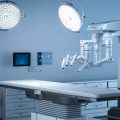
Walk into any operating room and you’ll notice the hum of machines, the bright lights, and that distinctive, clinical smell. But here’s something most people never think about: that faint, acrid odor hanging in the air during surgery? It’s not just “surgery smell.” It’s surgical smoke. And honestly, it’s a bigger deal than most of us realize.
Every time a surgeon uses an electrosurgical tool, a laser, or an ultrasonic scalpel, they’re essentially creating a tiny, invisible plume of chemicals, water vapor, and yes—cellular debris. Think of it like frying bacon on a hot pan. The sizzle is satisfying, sure, but the smoke that rises? Not so much. Now imagine that smoke contains benzene, formaldehyde, and even viruses. That’s the reality inside operating rooms every single day.
Why Surgical Smoke Deserves Your Attention
Let’s be clear: surgical smoke isn’t a niche concern. Studies suggest that one gram of tissue vaporized by laser produces smoke equivalent to smoking six cigarettes. Six. And a typical surgery might vaporize several grams of tissue over the course of an hour or more.
Perioperative nurses, surgeons, anesthesiologists—they’re all breathing this in. Day after day. Year after year. The long-term exposure adds up, and research has linked surgical smoke to respiratory issues, headaches, and even potential carcinogenic risks.
So yeah, air quality in the OR matters. A lot.
What Exactly Is in Surgical Smoke?
Good question. Surgical smoke is a cocktail—and not the fun kind. It contains:
- Chemical compounds like benzene, toluene, and hydrogen cyanide
- Biological particles including bacteria, viruses, and blood fragments
- Ultrafine particles small enough to penetrate deep into lung tissue
- Volatile organic compounds (VOCs) that can irritate eyes and airways
In fact, the particle size in surgical smoke is often smaller than what you’d find in cigarette smoke. That means it travels further and lodges deeper. Not exactly what you want floating around a sterile environment.
The Evolution of Smoke Evacuation Technology
Here’s the deal: smoke evacuation isn’t new. It’s been around since the 1970s, but the technology has come a long way. Early systems were loud, bulky, and about as pleasant as a vacuum cleaner in a library. Surgeons hated them. Nurses tolerated them. And compliance? Well, let’s just say it wasn’t great.
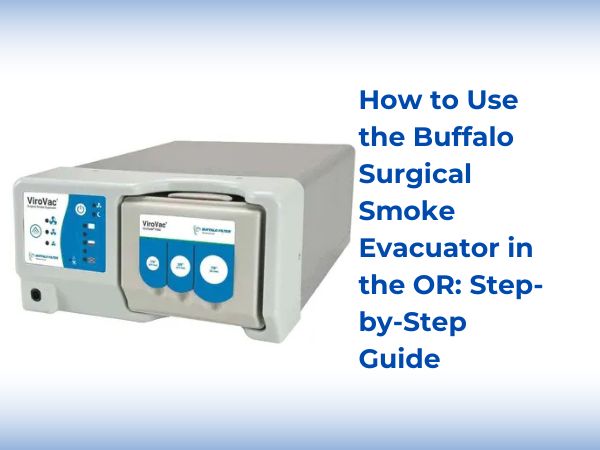
Fast forward to today. Modern smoke evacuation systems are quieter, more efficient, and designed with workflow in mind. They attach directly to surgical instruments, capturing smoke at the source before it ever reaches the breathing zone. Some systems use advanced filtration—think HEPA and ULPA filters—to trap particles as small as 0.1 microns.
That’s smaller than most viruses. Impressive, right?
Types of Smoke Evacuation Systems
Not all systems are created equal. Here’s a quick breakdown:
| System Type | How It Works | Best For |
|---|---|---|
| Centralized Systems | Built into the OR infrastructure; uses wall suction | High-volume surgical suites |
| Portable Units | Standalone devices with filters; easy to move | Smaller facilities, flexible setups |
| Integrated Systems | Attached directly to electrosurgical pencils | Precision procedures, minimal disruption |
Each has trade-offs. Centralized systems are powerful but expensive to install. Portable units offer flexibility but may lack the same suction strength. Integrated systems are sleek but require compatible instruments.
Air Quality Standards and Regulatory Pressure
Here’s where things get interesting. For years, surgical smoke was treated as just part of the job—an unavoidable nuisance. But that mindset is shifting. Organizations like NIOSH, AORN, and OSHA have been sounding the alarm, pushing for stricter guidelines and better protection for OR staff.
Some states have even introduced legislation requiring smoke evacuation during surgical procedures. And sure, change is slow. But the momentum is real.
Hospitals are now factoring air quality into their accreditation and safety protocols. It’s not just about compliance anymore—it’s about doing right by the people who spend their careers in the OR.
Practical Steps for Improving OR Air Quality
So what can facilities actually do? Plenty. Here are some practical strategies:
- Invest in smoke evacuation systems that capture at the source—not just general room ventilation.
- Train staff on proper use. Technology only works if people actually use it.
- Monitor air quality regularly. Sensors and particle counters can provide real-time data.
- Upgrade HVAC filters to capture ultrafine particles that escape evacuation.
- Foster a culture of safety. When leadership prioritizes air quality, staff follow suit.
Honestly, none of this is rocket science. But it does require intention. And investment.
The Bottom Line on Surgical Smoke and OR Air
Look, surgery saves lives. No one’s arguing that. But the byproducts of surgical procedures—specifically smoke—shouldn’t come at the cost of caregiver health. The technology exists to mitigate the risks. The awareness is growing. What’s needed now is widespread adoption.
Because clean air in the operating room isn’t a luxury. It’s a baseline. A right. And frankly, it’s long overdue.
So next time you think about OR safety, don’t just think about sterile instruments and hand hygiene. Think about what’s floating in the air. Because sometimes, the invisible threats are the ones that matter most.