Let’s be honest—you’ve probably tried every cleanser, serum, and spot treatment under the sun. And yet, that stubborn acne keeps showing up like an uninvited guest. Here’s the deal: your skin isn’t just a surface problem. It’s a mirror. And what’s happening in your gut is often writing the story on your face.
Science is finally catching up to what traditional medicine hinted at for centuries. The gut-skin axis—that’s the bidirectional communication highway between your digestive tract and your skin—is real. When your gut microbiome is out of balance, inflammation spikes. And inflammation? Well, it’s acne’s best friend.
Why Your Gut Bacteria Actually Control Your Complexion
Think of your gut as a bustling city. Trillions of bacteria live there—some are helpful citizens, others are troublemakers. When the helpful ones dominate, they produce short-chain fatty acids (SCFAs) like butyrate. These SCFAs calm your immune system and reduce systemic inflammation. When the troublemakers take over? Your intestinal lining becomes more permeable. You know that term “leaky gut”? Yeah, that’s the one.
Once your gut lining gets leaky, endotoxins—specifically lipopolysaccharides (LPS)—slip into your bloodstream. Your immune system freaks out. It sends inflammatory signals everywhere, including to your sebaceous glands. Result? More oil, more blocked pores, more acne. It’s not just about what you eat—it’s about how well your gut processes it.
The Hidden Trigger: Dysbiosis and Skin Flare-Ups
Dysbiosis—that’s the fancy term for an imbalanced gut microbiome—is linked to acne in multiple studies. One 2020 review in Nutrients found that people with acne often have lower gut microbial diversity. They also tend to have more Firmicutes and fewer Bacteroidetes than people with clear skin. Honestly, you don’t need to remember those names. Just remember this: diversity is your friend.
So, what feeds those good bacteria? Fiber. Fermented foods. Polyphenols. And what kills them? Ultra-processed junk, excess sugar, artificial sweeteners, and chronic stress. The gut-skin connection isn’t a myth—it’s biology.
Building Your Clear-Skin Gut Plate (It’s Simpler Than You Think)
You don’t need a 10-page diet plan. Honestly, you just need to shift your plate’s balance. Here’s a practical framework that dermatologists and gastroenterologists are increasingly recommending together.
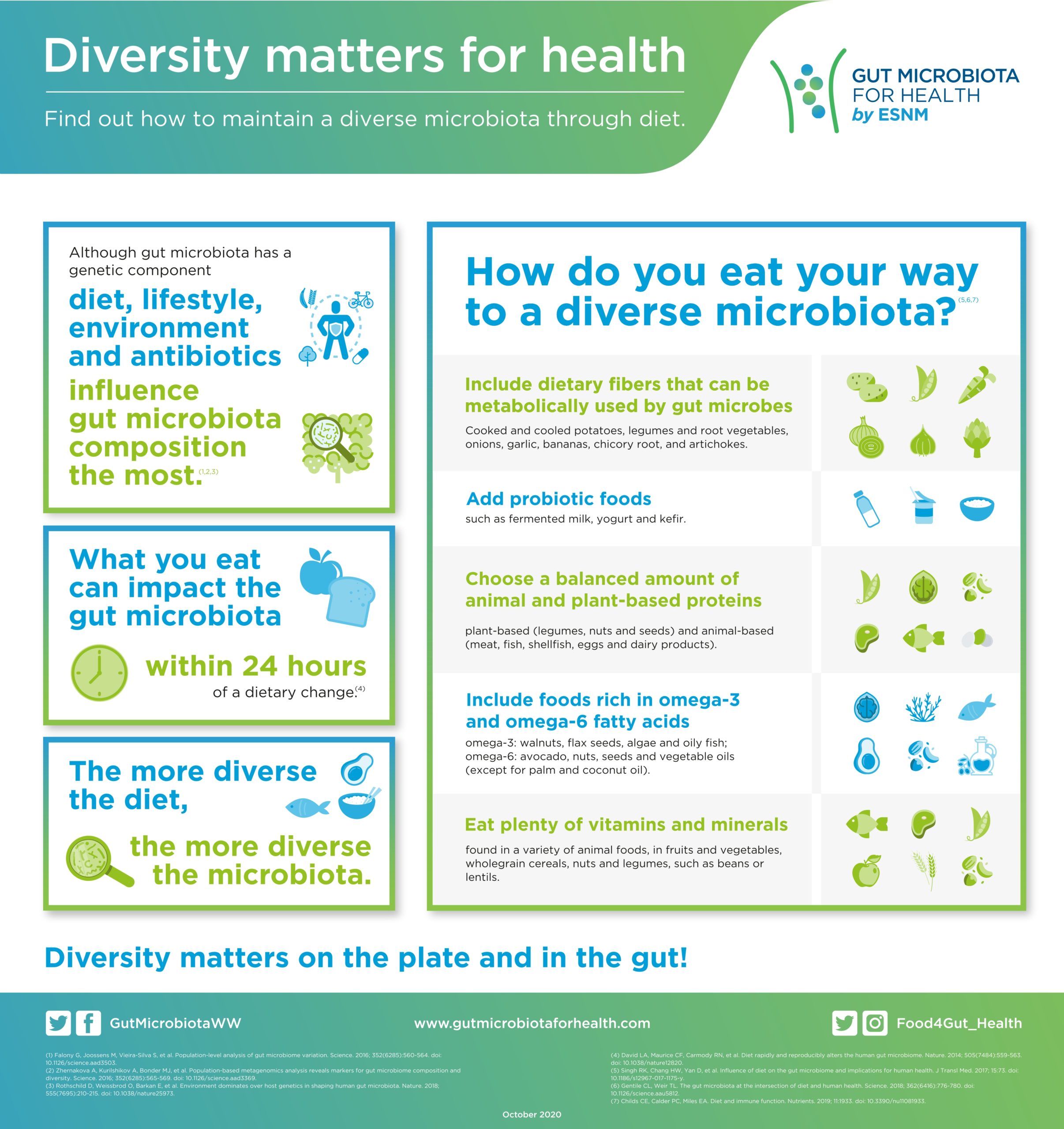
1. Prebiotic Fiber: The Fertilizer for Good Bacteria
Prebiotics are indigestible fibers that feed your beneficial microbes. Without them, even the best probiotic supplements are like planting seeds in dead soil. Aim for 25–35 grams of fiber daily—most people get half that.
- Garlic and onions – rich in inulin, a powerful prebiotic
- Jerusalem artichokes – weird name, amazing for gut flora
- Oats and barley – beta-glucan feeds good bacteria
- Asparagus and leeks – easy to roast or toss in salads
- Bananas (slightly green) – resistant starch that ferments in the colon
2. Probiotic-Rich Fermented Foods: The Live Workforce
Fermented foods introduce live beneficial bacteria directly into your system. But here’s a nuance—not all fermented foods are equal. Some are pasteurized after fermentation, which kills the good guys. Look for “live cultures” on labels or make your own.
- Plain kefir – contains more strains than yogurt
- Kimchi and sauerkraut – opt for unpasteurized versions
- Miso and tempeh – gentle on the stomach
- Kombucha – watch the sugar content, though
Start slow. If you suddenly eat a quart of kimchi, your gut will protest. Gas, bloating, even temporary breakouts—that’s called a Herxheimer reaction, or “die-off.” It passes in a few days.
3. Anti-Inflammatory Fats: The Skin’s Lubricant
Not all fats are enemies of clear skin. Omega-3 fatty acids reduce the inflammatory cascade that leads to acne lesions. Meanwhile, trans fats and excess omega-6 (think soybean oil in processed snacks) do the opposite—they fan the flames.
Add these to your rotation:
- Fatty fish – salmon, sardines, mackerel (2–3 times weekly)
- Chia and flaxseeds – grind them for better absorption
- Walnuts – a handful a day keeps inflammation away
- Olive oil – extra virgin, used cold or low-heat
Foods That Sabotage Your Gut and Skin (Cut These First)
If you’re serious about a gut health diet for clear skin acne, you need to identify your personal triggers. That said, some offenders are nearly universal. Here’s where I’d start trimming—not necessarily cold turkey, but definitely trimming.
| Food Category | Why It Hurts Your Gut | Skin Response |
|---|---|---|
| Refined sugar & high-fructose corn syrup | Feeds pathogenic bacteria and yeast | Increases sebum production and inflammation |
| Dairy (especially skim milk) | Contains hormones and IGF-1 that trigger oil glands | Clogged pores, especially along the jawline |
| Wheat & gluten (for sensitive people) | Can increase zonulin, loosening gut junctions | Systemic inflammation, cystic breakouts |
| Alcohol | Disrupts microbiome balance and dehydrates gut lining | Dull, puffy skin with delayed healing |
| Artificial sweeteners | Alter gut bacteria composition negatively | May worsen inflammatory skin conditions |
Now, I’m not saying dairy causes acne for everyone. Some people handle fermented dairy like yogurt fine. But if you have persistent breakouts that don’t respond to topicals, a 3-week dairy elimination is worth trying. Honestly, it’s the most common hidden trigger I see in practice.
Your 7-Day Gut-Skin Reset Meal Blueprint
Let’s make this practical. Here’s a sample week that emphasizes prebiotics, probiotics, and anti-inflammatory foods. This isn’t restrictive—it’s abundant.
Day 1: The Gentle Start
Breakfast: Overnight oats with chia seeds, a few raspberries, and a spoon of almond butter.
Lunch: Large salad with mixed greens, grilled chicken, roasted sweet potato, and olive oil-lemon dressing.
Dinner: Baked salmon with steamed broccoli and a side of sauerkraut.
Day 2: Fermentation Focus
Breakfast: Plain kefir smoothie with half a green banana and spinach.
Lunch: Quinoa bowl with black beans, corn, avocado, and pico de gallo.
Dinner: Turkey stir-fry with bok choy, garlic, and ginger—serve over brown rice.
Day 3: Fiber Boost
Breakfast: Two eggs (any style) with sautéed asparagus and a slice of sourdough.
Lunch: Lentil soup with a side salad topped with pumpkin seeds.
Dinner: Grilled shrimp tacos on corn tortillas with cabbage slaw and lime crema (use coconut yogurt).
Day 4: Polyphenol Power
Breakfast: Green tea (matcha) with a bowl of mixed berries and a handful of walnuts.
Lunch: Leftover shrimp tacos or a tuna salad with celery and apple.
Dinner: Roasted chicken thighs with turmeric-spiced cauliflower and a side of kimchi.
Day 5: Omega-3 Rich
Breakfast: Smoothie with frozen wild blueberries, flaxseed meal, and unsweetened almond milk.
Lunch: Sardine salad (yes, sardines—they’re tiny nutrient bombs) on rye crackers.
Dinner: Baked cod with a parsley pistou over sautéed zucchini noodles.
Day 6: Reintroduce Variety
Breakfast: Vegetable omelet with feta (if dairy is okay for you) and a side of berries.
Lunch: Leftover cod with a big green salad and olive tapenade.
Dinner: Vegetable curry with chickpeas and coconut milk—serve with cauliflower rice.
Day 7: Easy Does It
Breakfast: Greek yogurt (plain, full-fat) with a drizzle of honey and sliced kiwi.
Lunch: Leftover curry or a simple chicken and vegetable broth soup.
Dinner: Grass-fed beef burger (no bun) with caramelized onions, lettuce wrap, and a side of grilled zucchini.
Drink plenty of water throughout—hydration flushes toxins and keeps your mucosal lining happy. Herbal teas like peppermint or ginger also support digestion.
Supplements: Do You Actually Need Them?
Supplements aren’t a replacement for diet, but they can fill gaps. If you’re considering