Let’s be honest—menopause feels like your body suddenly decided to rewrite the rulebook. You eat the same as you always have, yet the scale creeps up. Your energy crashes at 3 PM. And cravings? They hit like a freight train. The old “calories in, calories out” mantra? It barely works anymore. That’s where menopause specific macronutrient cycling comes in. It’s not a diet fad—it’s a strategy. A way to work with your shifting hormones, not against them.
Wait… What Is Macronutrient Cycling, Exactly?
Think of it like this: your metabolism isn’t a steady flame anymore. It’s more like a campfire that flickers depending on the day. Macronutrient cycling means adjusting your ratios of protein, carbs, and fats based on your activity, your cycle phase (yes, even in perimenopause), and your specific symptoms. It’s not about cutting out entire food groups—it’s about timing and balance.
For menopausal women, the key players are insulin sensitivity, cortisol, and estrogen decline. These three change how you store fat and burn energy. So, cycling your macros helps you:
- Manage blood sugar spikes (goodbye, hot flash triggers)
- Preserve lean muscle (which naturally declines after 40)
- Support brain fog and mood swings
- Reduce stubborn belly fat
Why Your Old Macro Split Won’t Cut It Anymore
You remember the standard 40/30/30 split? Carbs, protein, fat? Well, that’s a one-size-fits-all approach—and menopause laughs at one-size-fits-all. Your body now processes carbs differently. Insulin resistance creeps up, making you store fat more easily, especially around the midsection. It’s frustrating. Honestly, it feels unfair.
But here’s the thing: by cycling your carbs—higher on active days, lower on rest days—you can re-sensitize your cells to insulin. That’s the science. And it works. You’re not starving yourself; you’re just being strategic.
The Protein Non-Negotiable
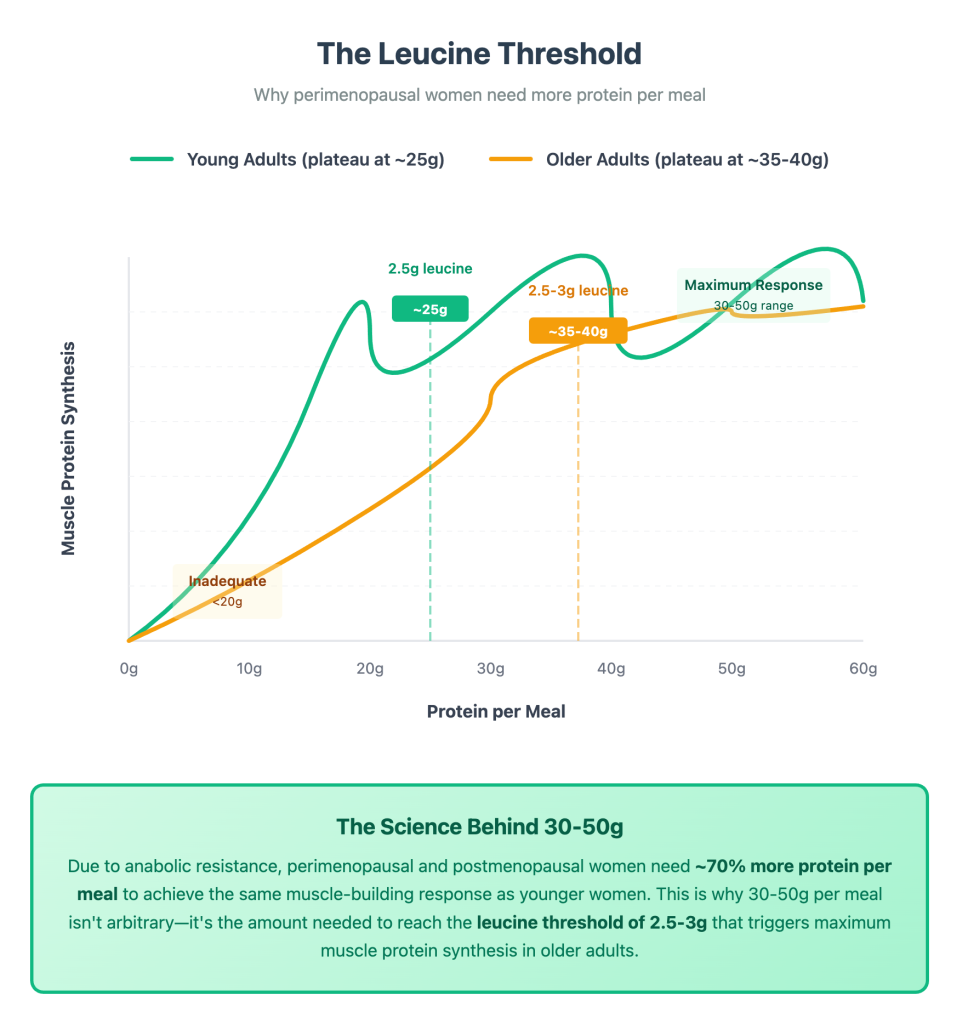
Protein becomes your best friend during menopause. Aim for 1.2 to 1.6 grams per kilogram of body weight—that’s higher than what you might have heard before. Why? Because muscle loss accelerates after 40. And muscle burns more calories at rest. So more protein means a higher resting metabolism. Plus, it keeps you full, stabilizes blood sugar, and even helps with sleep quality.
But don’t just load up on chicken breast. Mix it up: eggs, Greek yogurt, tofu, lentils, fish. Variety matters for gut health too.
How to Actually Cycle Your Macros (A Simple Framework)
I’m not gonna give you a rigid meal plan—because life happens. But here’s a framework that’s flexible. It’s based on three types of days: High Carb, Moderate Carb, and Low Carb. You rotate them based on your week.
| Day Type | Protein | Carbs | Fat | Best For |
|---|---|---|---|---|
| High Carb | 30% | 45% | 25% | Workout days, high energy days |
| Moderate Carb | 35% | 35% | 30% | Normal activity, desk days |
| Low Carb | 40% | 20% | 40% | Rest days, high stress days |
Notice how protein stays high or even increases on low carb days? That’s intentional. You don’t want muscle loss. And fat isn’t the enemy—healthy fats from avocados, nuts, and olive oil support hormone production.
But What About Cravings?
Oh, the cravings. They’re real. And they’re often a sign of blood sugar instability. When you cycle carbs, you’re teaching your body to use fat for fuel on low carb days. That reduces those sudden, desperate urges for sugar. But if you feel a craving coming on? Have a handful of almonds or a piece of cheese. Protein and fat blunt the crash.
Timing It Right: When to Eat What
Here’s where it gets a little nuanced. Menopause messes with your circadian rhythm. So eating a huge carb-heavy dinner? Not ideal. Your body processes carbs better earlier in the day. Try this:
- Breakfast: Protein + fat (eggs, avocado, spinach). Minimal carbs. This stabilizes morning cortisol.
- Lunch: Moderate carbs, lean protein, veggies. Your midday energy boost.
- Dinner: Low carb, higher fat and protein. Think salmon with roasted broccoli and olive oil.
- Snacks: Only if hungry. Greek yogurt, a handful of nuts, or a protein shake.
This pattern helps reduce nighttime hot flashes and improves sleep. Some women swear by it. Your mileage may vary—but it’s worth a shot.
Real Talk: What About Exercise and Cycling?
You don’t need to be a gym rat. But movement matters. On high carb days, do strength training or HIIT—your muscles need that glucose. On low carb days, go for walks, yoga, or light Pilates. This syncs your fuel with your activity. It’s like putting premium gas in a sports car versus regular in a sedan. Both work, but one runs smoother.
And don’t forget—stress is a macro killer. High cortisol makes you store fat even if you’re eating perfectly. So low carb days can also be low stress days. Prioritize sleep, deep breathing, or just zoning out.
A Sample Week in the Life
Let’s make it concrete. Here’s what a week might look like for a menopausal woman cycling macros:
- Monday: Moderate carb (desk job, light evening walk)
- Tuesday: High carb (leg day at gym)
- Wednesday: Low carb (rest day, maybe some stretching)
- Thursday: High carb (cardio or swimming)
- Friday: Moderate carb (normal day)
- Saturday: Low carb (active rest—gardening, errands)
- Sunday: Moderate carb (meal prep, relaxation)
See the pattern? No strict rules. Just a rhythm. Your body starts to anticipate the fuel shifts, and that’s when the magic happens—better energy, fewer cravings, and maybe even some fat loss.
Common Pitfalls (And How to Dodge Them)
I’ve seen women try this and mess up. Here’s what to watch for:
- Going too low on fat: Your hormones need fat to function. Don’t fear it.
- Ignoring fiber: Carbs should come from veggies, legumes, and whole grains—not white bread. Fiber helps with estrogen metabolism.
- Not drinking enough water: Low carb days can dehydrate you. Aim for 2-3 liters.
- Forgetting electrolytes: Especially on low carb days. Add a pinch of salt to your water or sip bone broth.
The Bottom Line (No Sales Pitch)
Menopause specific macronutrient cycling isn’t a quick fix. It’s a tool. A way to reclaim some control when your body feels like a stranger. You’ll still have tough days—hormones are stubborn. But by adjusting your protein, carbs, and fats with intention, you give your metabolism a fighting chance. It’s not about perfection. It’s about showing up for yourself, one meal at a time.
So start small. Try a week of cycling your carbs. See how you feel. Your body will tell you what works—if you listen.