Let’s be honest—when you hear “colorectal surgery,” the gut microbiome isn’t the first thing that pops into your head. You think about incisions, anastomoses, maybe the dreaded stoma. But here’s the deal: the trillions of bacteria living in your colon are not just passive bystanders. They’re active players in your recovery, your immune response, and even your long-term metabolic health. Losing them during surgery is like cutting the roots off a tree before replanting it—sure, it might survive, but it’s not going to thrive.
Over the last decade, we’ve learned that microbiome disruption after colorectal surgery is linked to higher rates of anastomotic leakage, surgical site infections, and even postoperative ileus. That’s not just theoretical—it’s measurable. So, how do we keep these microscopic tenants happy while we’re cutting through their home? Let’s walk through the strategies that are actually making a difference, from preoperative prep to postoperative probiotics.
Why the Microbiome Matters More Than You Think
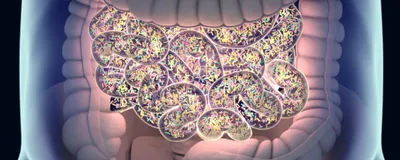
Imagine your colon as a bustling city. The microbiome is the workforce—breaking down fiber, producing short-chain fatty acids (SCFAs) like butyrate, and keeping the immune system on high alert but not overreacting. When you perform surgery, you’re essentially bulldozing a few city blocks. The remaining residents (bacteria) are stressed, displaced, and vulnerable to opportunistic invaders like Clostridioides difficile.
And here’s the kicker—the standard preoperative bowel prep, which has been dogma for decades, is basically a demographic cleanse. It wipes out both the good and bad guys. The result? A microbial vacuum that pathogens love to fill. That’s why the conversation has shifted from “how to clean the colon” to “how to preserve the ecosystem.”
The Shift Away from Aggressive Bowel Prep
For years, the mantra was: empty colon, safer surgery. But the evidence is… well, messy. Recent studies, including a landmark 2019 trial in the New England Journal of Medicine, showed that mechanical bowel prep combined with oral antibiotics reduced surgical site infections—but it also decimated the microbiome. The question is whether that trade-off is worth it.
Some surgeons are now advocating for selective prep—using oral antibiotics without the mechanical purge, or skipping prep entirely for right-sided resections. The idea isn’t to be reckless; it’s to be strategic. If you don’t need to touch the left colon, why nuke the whole ecosystem? Honestly, the data on selective prep is still evolving, but the early signals are promising.
Preoperative Strategies: Setting the Stage
What you do before the patient even hits the OR can make or break microbiome preservation. It’s not just about the prep—it’s about the weeks leading up to surgery.
Dietary Modulation: The Prebiotic Push
You know how athletes carb-load before a marathon? Well, patients can “fiber-load” before surgery. A diet rich in resistant starch and soluble fiber—think oats, legumes, and green bananas—feeds the beneficial bacteria, encouraging them to produce more SCFAs. These compounds are not just energy sources; they strengthen the intestinal barrier, making it less leaky during the stress of surgery.
But here’s the catch—most patients aren’t eating like that. So, some centers are now prescribing preoperative prebiotic supplements for 7–10 days before the operation. The evidence is still young, but a 2021 meta-analysis in Nutrients found that prebiotic use was associated with lower postoperative inflammatory markers. Not a home run, but definitely a base hit.
Fecal Microbiota Transplantation (FMT) — Before Surgery?
Yeah, you read that right. FMT isn’t just for recurrent C. diff anymore. A few pioneering centers are exploring “pre-habilitation” FMT for patients with severe dysbiosis—think those who’ve had multiple rounds of antibiotics or prior abdominal surgeries. The logic is simple: if you start with a healthy donor ecosystem, the surgical insult won’t be as devastating.
It sounds a bit sci-fi, I know. And it’s not standard practice yet. But the early case reports are intriguing. One small study from 2022 showed that pre-op FMT reduced the abundance of pathogenic Enterobacteriaceae post-op. We need bigger trials, but the concept is gaining traction.
Intraoperative Tactics: Protecting the Ecosystem Mid-Surgery
Once you’re in the OR, the clock is ticking. Every minute of anesthesia, every manipulation of the bowel, every dose of prophylactic antibiotics—it all takes a toll. But there are ways to minimize the collateral damage.
Antibiotic Stewardship: Timing Is Everything
We can’t avoid antibiotics entirely—they’re essential for preventing surgical site infections. But we can be smarter about them. The current recommendation is to give prophylactic antibiotics 30–60 minutes before incision, not days before. And here’s a subtle point: avoid unnecessary redosing during long procedures unless blood loss exceeds 1500 mL or the operation stretches past two half-lives of the drug.
Why does this matter? Because broader-spectrum antibiotics, like third-generation cephalosporins, nuke more commensals than narrow-spectrum ones. Some surgeons are now opting for ertapenem over cefoxitin—it’s more targeted against gut anaerobes while sparing some of the Lactobacillus species. It’s not perfect, but it’s a step in the right direction.
Minimally Invasive Approaches: Less Trauma, Less Dysbiosis
Laparoscopic and robotic surgeries aren’t just about smaller scars—they’re about less bowel manipulation and less ischemia-reperfusion injury. That matters for the microbiome because ischemia triggers a shift toward pathogenic bacteria. When the bowel is handled roughly, the mucosal lining sheds cells, and the bacteria that survive are the ones that can stick to exposed tissue—usually the bad guys.
In fact, a 2020 study in Surgical Endoscopy compared the microbiome of patients after open vs. laparoscopic colectomy. The laparoscopic group had significantly higher diversity at postoperative day 3. Diversity, as you might know, is the golden metric for microbiome health. So, if you can do the surgery through a keyhole, do it.
Postoperative Recovery: Rebuilding the City
The surgery is over, but the battle for the microbiome is just beginning. The first 72 hours post-op are critical. That’s when the gut is most vulnerable, and that’s when your interventions can have the biggest impact.
Early Enteral Feeding: Feed the Good Guys
Gone are the days of “nil by mouth” until flatus. Enhanced Recovery After Surgery (ERAS) protocols now push for early oral intake within 24 hours. And it’s not just about protein—it’s about providing substrate for the remaining bacteria. A liquid diet with added fiber, or even a regular diet if tolerated, helps re-establish the microbial community.
But here’s a nuance—not all fiber is created equal. Soluble fiber (like psyllium) is fermented quickly, producing SCFAs that feed colonocytes. Insoluble fiber (like wheat bran) can be too harsh right after surgery. So, the ideal post-op diet is low-residue but prebiotic-rich. Think mashed sweet potatoes, oatmeal, and bananas. Not a steak, not a salad.
Probiotics: The Right Strain, The Right Time
Probiotics are a double-edged sword. On one hand, they can help restore diversity. On the other hand, in immunocompromised or critically ill patients, they can cause bacteremia. So, the key is strain selection and timing.
What works? A 2023 systematic review in Clinical Nutrition highlighted that Lactobacillus plantarum and Saccharomyces boulardii showed the most promise for reducing postoperative ileus and infectious complications. But the timing matters—starting probiotics too early (within 12 hours) can cause bloating and discomfort. Starting them after 48 hours, once the gut is starting to wake up, seems to be the sweet spot.
And honestly, the route matters too. Oral is fine, but some studies suggest nasojejunal administration for patients who can’t eat. That’s a bit more invasive, but it bypasses the stomach acid that can kill the beneficial bugs.
Monitoring and Future Directions
You can’t manage what you don’t measure. That’s why some academic centers are starting to do routine post-op stool sampling to track microbial shifts. It’s not standard yet, but the data is compelling. For instance, a 2022 study found that a drop in Faecalibacterium prausnitzii (a key butyrate producer) on day 2 was predictive of anastomotic leak on day 5. That’s a potential early warning system.
Looking ahead, we’re seeing the rise of postbiotics—metabolites like butyrate and propionate that can be given directly, without the live bacteria. They’re more stable than probiotics, and they don’t carry the infection risk. Early trials in colorectal surgery are showing reduced inflammation and faster return of bowel function.
And then there’s the whole field of phage therapy—using bacteriophages to selectively kill pathogenic bacteria while leaving commensals alone. It’s still experimental, but the precision is tantalizing. Imagine being able to wipe out Enterococcus faecalis without touching your Bifidobacterium. That’s the future we’re heading toward.
Practical Takeaways for the Surgical Team
So, what can you actually do tomorrow? Here’s a quick list—not exhaustive, but practical.
- Reconsider the bowel prep—talk to your anesthesiologist and infectious disease team about selective prep for low-risk patients.
- Shorten antibiotic prophylaxis—a single pre-op dose is often enough; avoid post-op continuation unless there’s a clear indication.
- Push for laparoscopic approach—the microbiome benefits are real, even if the cosmetic ones are obvious.
- Start feeding early—but keep it low-fiber